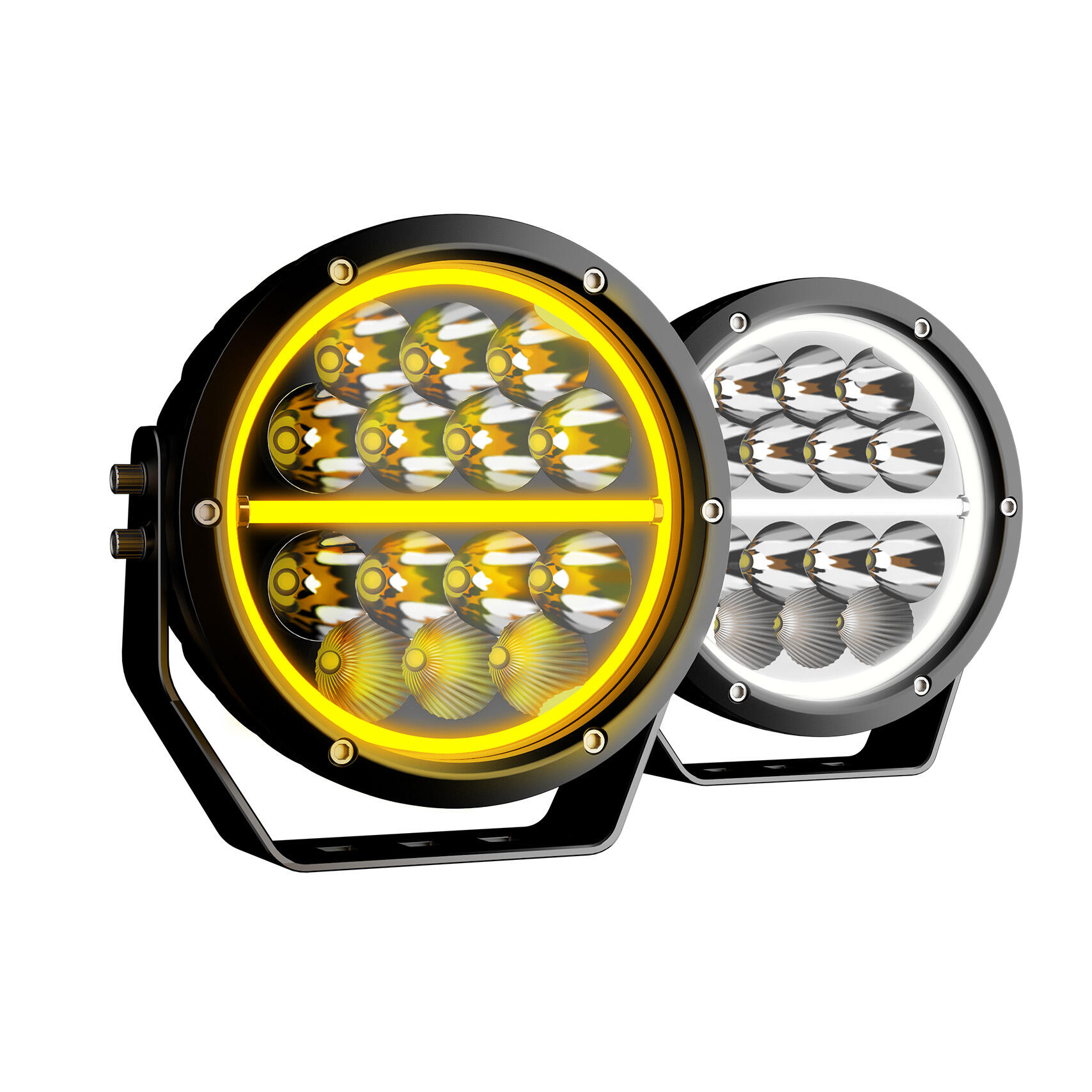
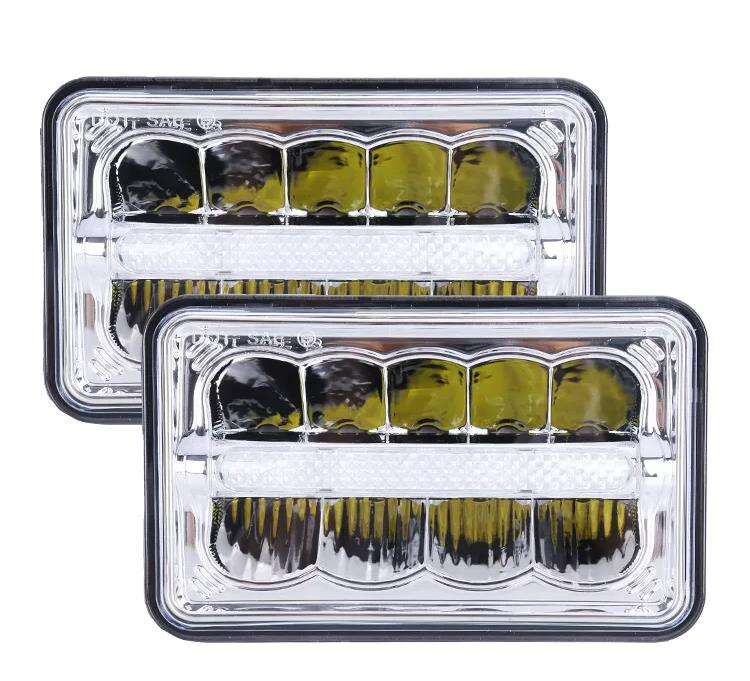
LED laser driving lights make your road conditions clearer
Understanding LED Laser Driving Lights
LED laser driving lights combine cutting edge tech to boost visibility both on and off the road. Car manufacturers have been installing them across many models lately because they just plain outperform standard bulbs. These lights throw light much farther down the road while using less power too. For those tackling rough terrain or driving at night through remote areas, having good visibility can mean the difference between safe travel and getting stuck somewhere dark. That's why so many off-roaders upgrade to LED lasers when modifying their trucks and SUVs.
What makes LED Laser Driving Lights so impressive is how they blend traditional LED tech with cutting edge laser components. When these two technologies work together, the result is something quite different from regular LED lights. We get broader coverage from standard LED chips while the laser part creates this super focused beam that cuts through darkness like nothing else. The lasers really extend how far the light reaches out, which matters a lot when driving at speed or navigating tricky terrain on four wheel drives. Drivers who have switched to these hybrid systems notice better visibility around corners and clearer paths ahead during night time adventures. For anyone looking to upgrade their vehicle lighting, this combination offers real advantages over conventional options without breaking the bank.
Advantages of Using LED Laser Driving Lights for Safe Travel
When it comes to seeing and being seen on the road at night, LED laser driving lights make a real difference. Drivers who switch to these modern lights report much better visibility ahead, which obviously makes for safer trips overall. The numbers back this up too research indicates cars with LED systems experience around 15 percent fewer accidents than older models still using conventional bulbs. Why? Because these advanced lights throw out so much brighter illumination across the road surface. With better light comes better awareness road users can spot things coming up faster like animals crossing, potholes, or sudden lane changes that might otherwise go unnoticed until it's too late.
People who drive trucks or off-road vehicles often talk about how LED laser driving lights really stand out when it comes to saving power and lasting longer. These lights eat up way less electricity compared to older halogen or xenon options, so there's less stress on the car's battery and alternator system. Over months of regular use, this actually helps save a bit on fuel costs too. Another big plus is that these LED bulbs tend to stick around for ages, sometimes hitting 30,000 hours or more before needing replacement. That means mechanics spend less time swapping out burned out lights during routine maintenance checks, and owners don't have to keep buying new ones every few months. The bottom line? Less hassle and lower expenses in the long run.
One big plus of LED laser driving lights? They last forever basically. These things can take a beating from whatever Mother Nature throws at them rain, snow, even thick mud without missing a beat. That's why so many people who drive off road or work in tough conditions swear by them. The industry has run all sorts of tests on these lights too, and what they found is pretty impressive. LED lasers don't just survive impacts they keep working great even when everything else around them is falling apart. When someone needs light in those dark moments out there where no one wants to be, these lights deliver every time without fail.
Popular Types of LED Laser Driving Lights
LED Laser Driving Lights are increasingly popular among offroad enthusiasts, and several models stand out due to their advanced features and functionality.
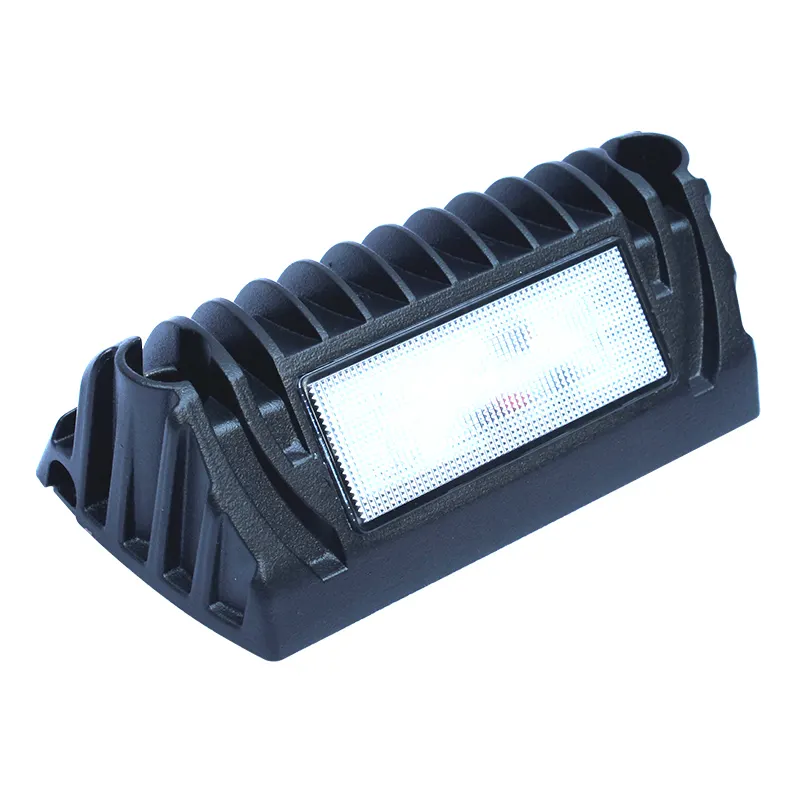
1. 18W Square Spot LED Work Light For Offroad Jeep SUV ATV Truck JDS-VW1918X
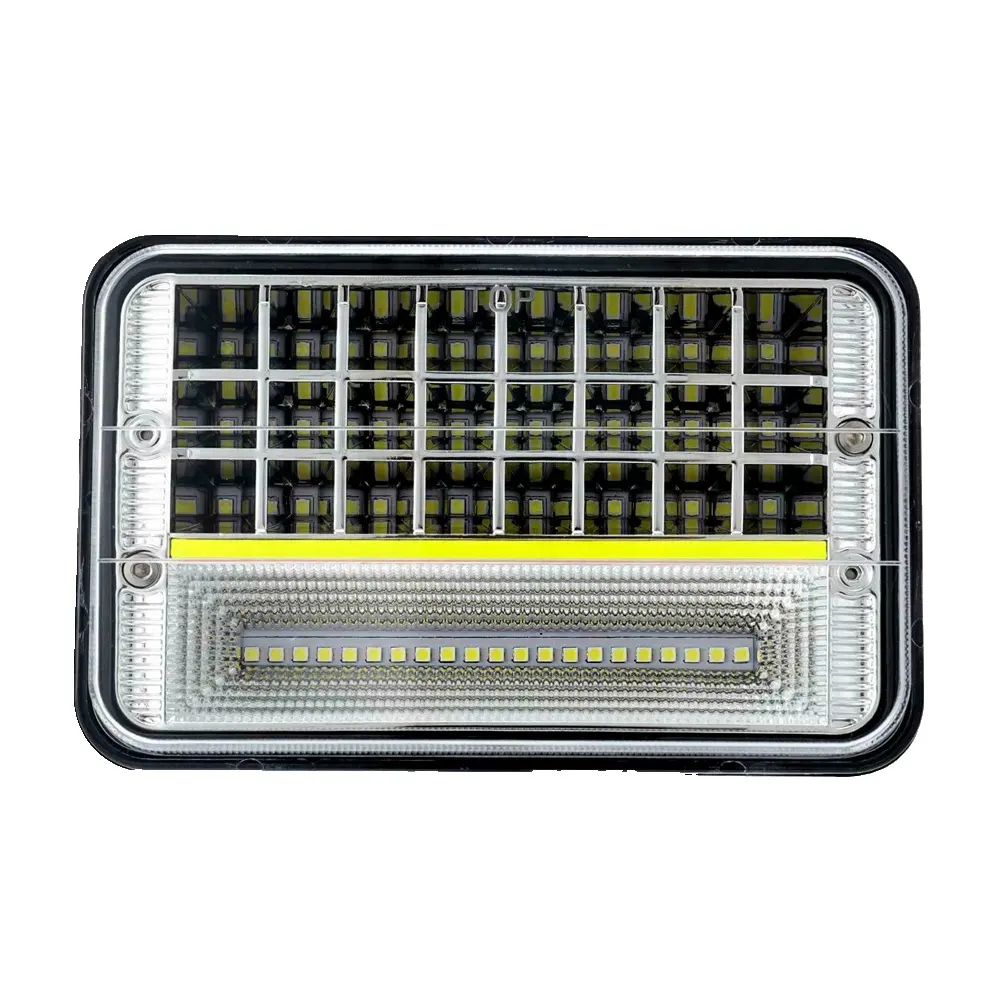
The JDS-VW1918X 18W Square Spot LED Work Light works great across different types of off road vehicles. Featuring a clear PC lens combined with a flood reflection cup design, this light puts out around 90 to 95 percent of its maximum lumens, which means it gets the job done without wasting power. Built to stay cool during operation, the unit stands up well to harsh conditions including water exposure, dirt buildup, and accidental bumps. Installers find it easy to mount practically anywhere on their rigs from bumper bars to rooftop carriers. Whether used as additional headlighting, fog penetration aid, or rear visibility enhancement when reversing, this work light adapts to whatever situation comes up.
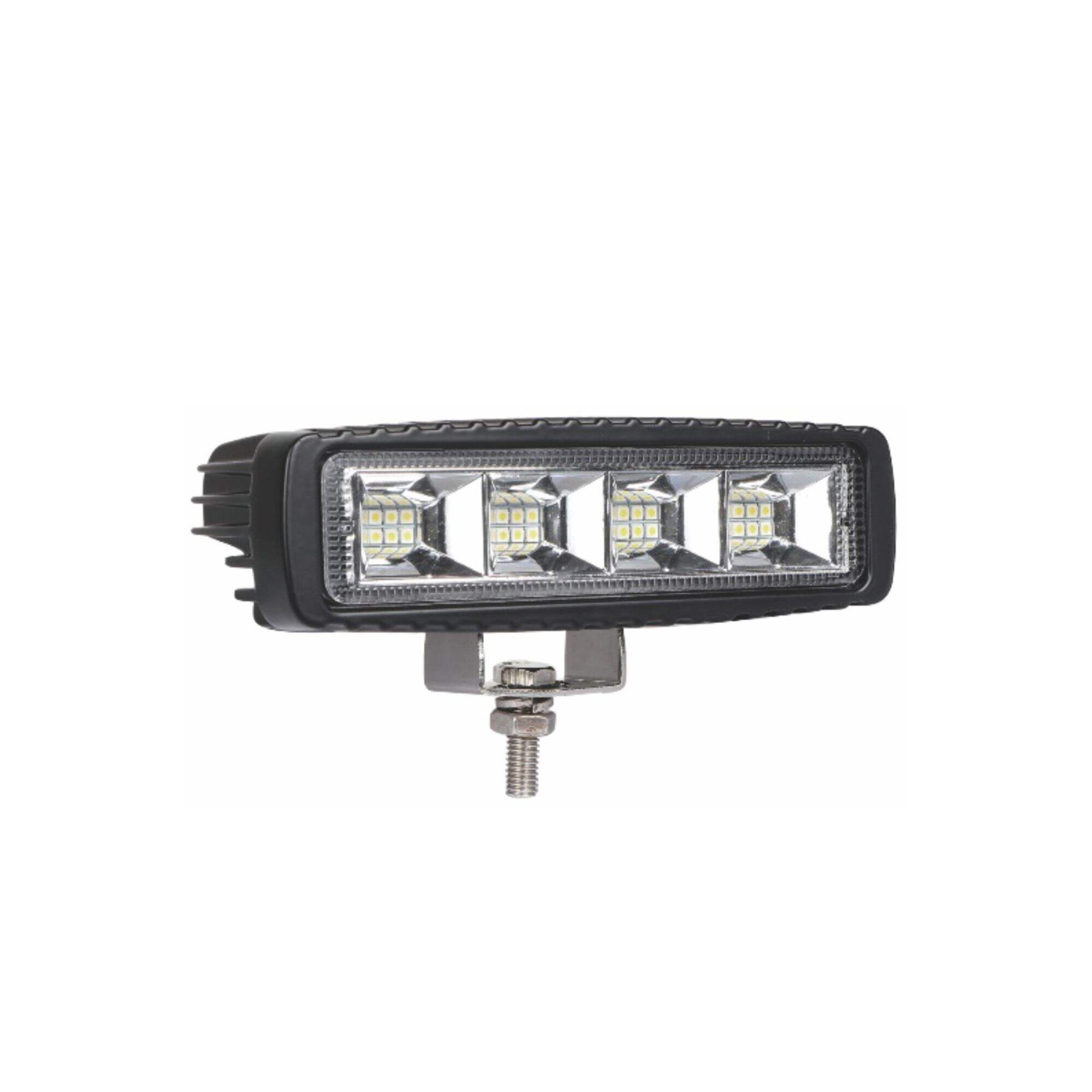
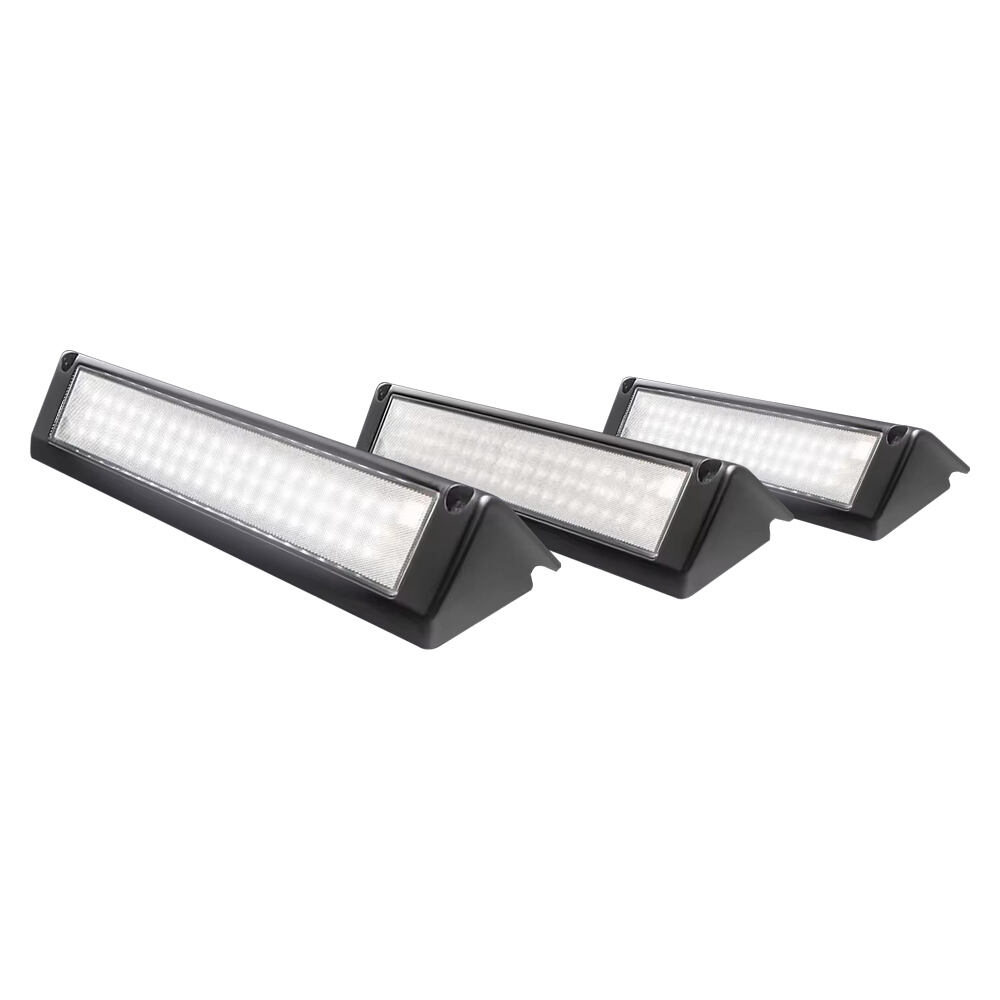
2. 18W Square Spot LED Work Light For Offroad Jeep SUV ATV Truck JDS-VW1918Z
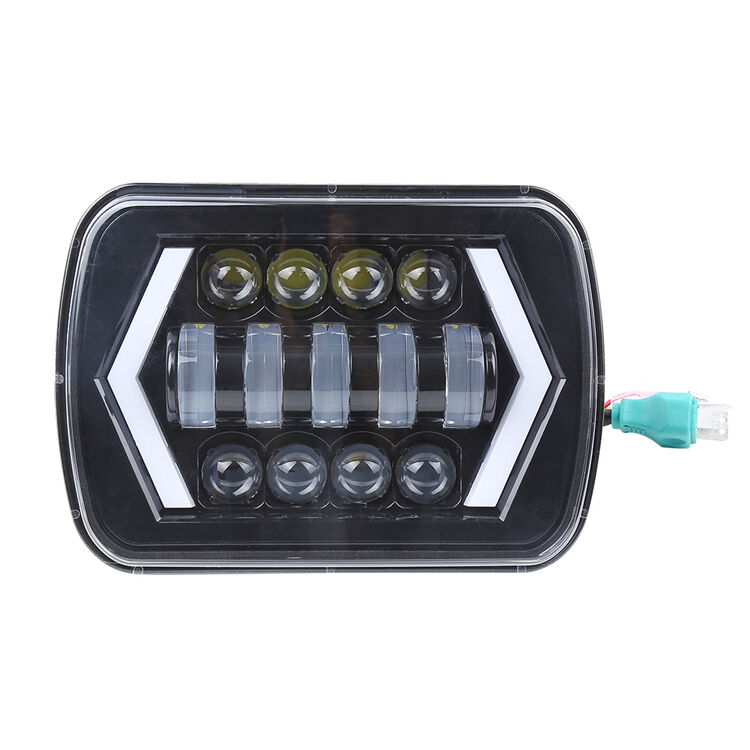
The JDS-VW1918Z shares many of the same great qualities as its sibling model, the JDS-VW1918X, particularly when it comes to brightness levels and how long it lasts. Built for serious off-road adventures, this unit stands up to rough terrain thanks to its solid waterproof seals and protection against dust getting inside. What makes it really stand out though is where people install it. Some folks mount these on their vehicle's A pillars while others prefer placing them on hoods. And don't just think about regular driving either these lights double as excellent work lights too when needed around camp sites or job sites.
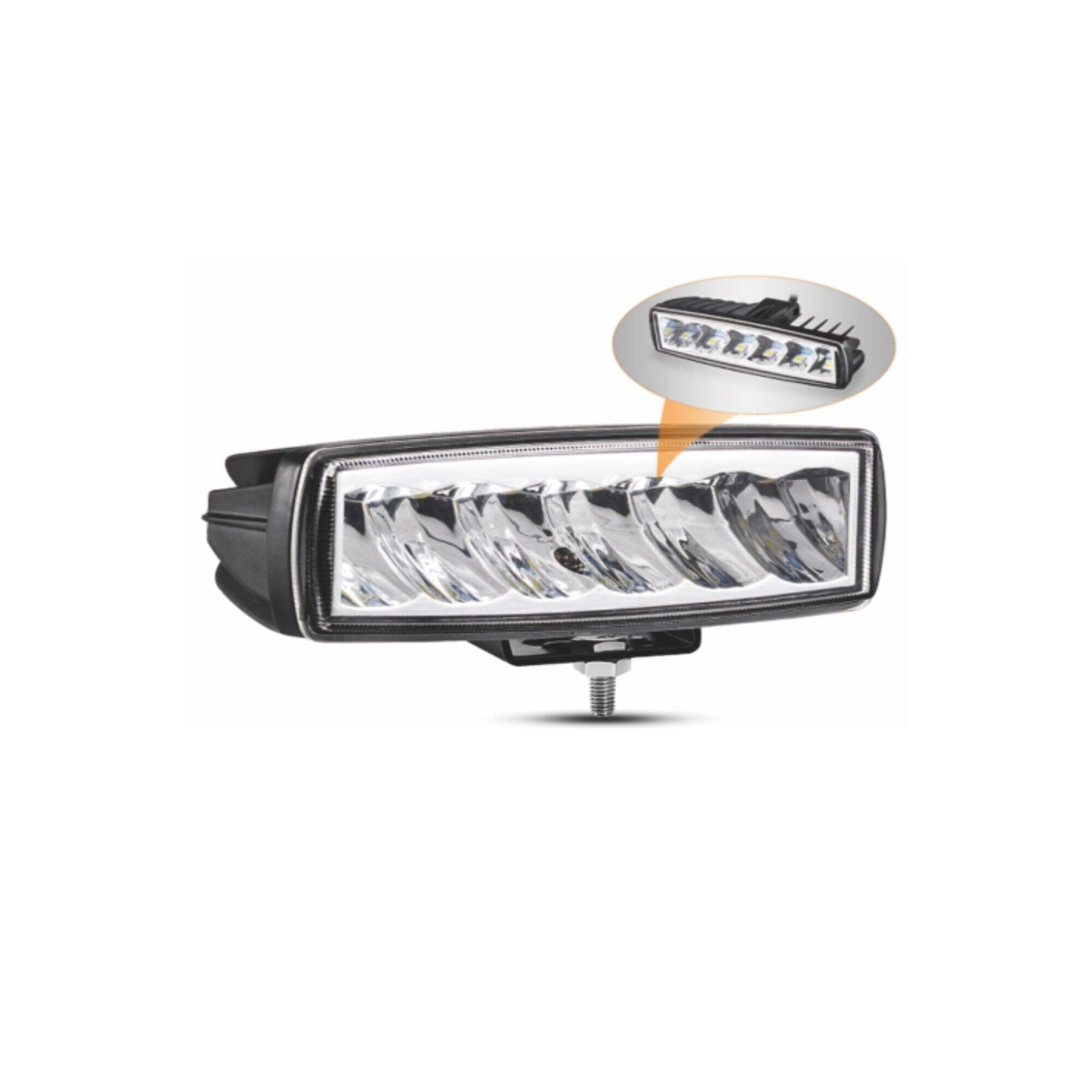
3. 4.5Inch 20W Round 4D Lens Spot LED Work Light For Offroad Jeep SUV ATV Truck
The 4.5 inch 20 watt round 4D lens spot LED work light brings together smart design elements with real world usefulness that makes sense for today's market needs. With an IP67 rating, this light stands up well against dirt and moisture, something anyone working outside knows is critical when conditions get rough. The light offers both high and low beam settings too, which comes in handy depending on what task needs doing. What really sets it apart though is how easily it fits onto various vehicles without needing complicated modifications. Just plug it in and go, no fussing around with wiring harnesses or special tools required during installation.
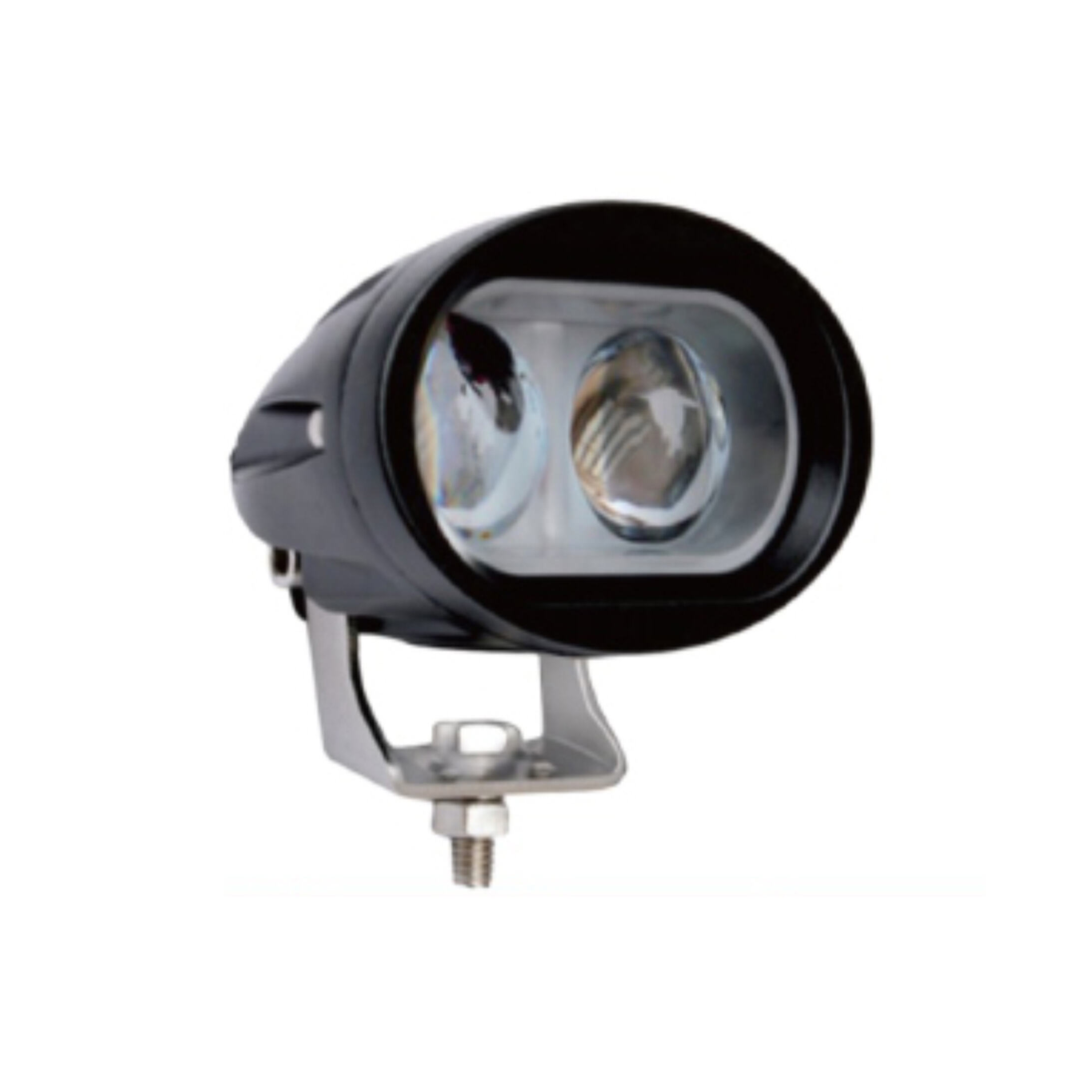
Installation Guidelines for LED Laser Driving Lights
When it comes to installing those bright LED laser driving lights, there are several important things to remember if we want them to work properly and stay safe. First off, grab all the tools needed for the job. We're talking basic stuff like screwdrivers, maybe some wrenches, and definitely a good voltmeter. Safety first though folks, so always start by disconnecting the car battery. No sense risking an electric shock while working on this. Now find where those lights should go. Mount them firmly but watch out they don't block anything else on the vehicle. Follow what the manufacturer says about wiring connections, and don't forget to use that voltmeter to double check everything looks right. And here's something smart: actually test those lights before tightening down all the bolts. Makes sure they turn on and shine just how they should before calling the whole thing done.
Getting things right when installing driving lights starts with paying attention to small details. A lot of folks mess up because they put the lights in the wrong spot. This leads to all sorts of problems from awkward lighting angles that blind other drivers to bulbs knocking against fenders or mirrors. Mount those bad boys firmly and tilt them so they actually illuminate where needed instead of just shining into space. Wiring issues are another big headache for many DIYers. Loose connections will either make the lights flicker like a strobe effect or worse, fry the entire electrical system over time. Take extra care checking each wire connection, wrap everything properly with electrical tape, and maybe even test the circuit before finalizing everything. When done correctly, these lights won't just work better, they'll last longer too, making night drives safer and less stressful for everyone involved.
Comparative Analysis: LED vs. Other Lighting Systems
Looking at HID (High-Intensity Discharge) versus LED laser driving lights reveals some pretty big differences when it comes to brightness, how efficient they are, and how long they last. HID headlights definitely pack a punch in terms of light output, typically putting out around 3,000 lumens or so. But LED technology has really stepped things up a notch. These LED lights shine brighter than HID units while actually using less electricity in the process. Another thing worth mentioning is that LEDs don't create that annoying glare people complain about with HID systems, making them safer for everyone sharing the road. As far as longevity goes, LEDs just beat HIDs hands down. Many LED models can keep working for upwards of 50,000 hours if properly maintained, which means fewer replacements and lower maintenance costs over time.
When comparing halogen versus LED laser driving lights, there's quite a gap when it comes to how they perform, the heat they produce, and what they cost in energy. Most people still go with halogens because they're cheap and easy to find, but these bulbs don't last long at all—usually around 450 to maybe 1,000 hours max. LEDs on the other hand stick around way longer, so drivers aren't constantly replacing them. Another big issue with halogens is all that heat they throw off plus higher electricity use, which puts extra stress on engines and cuts down on fuel efficiency. LEDs run cool and eat up far less power, making them a smarter choice for night driving without burning through gas or needing constant maintenance. Many mechanics now recommend switching to LED systems simply because they just make more sense in the long run.
Maintenance Tips for LED Laser Driving Lights
Keeping LED laser driving lights in good condition makes them last longer and work better over time. Regular maintenance matters a lot here. Start with simple cleaning using a soft microfiber cloth to wipe away dust and dirt buildup. A bit of soapy water works fine when needed, though strong chemicals should be avoided since they can damage lenses or housings. Look closely at the lights too. Check for any cracks and make sure all those rubber seals and electrical connections stay tight. Moisture getting inside is a big problem because it affects the sensitive electronics within these lighting systems. That's why proper sealing remains so important for anyone who wants their driving lights to function reliably year after year.
Troubleshooting lighting problems starts with catching issues before they get worse. If lights flicker or seem dim, most of the time it's either because something's loose in the wiring or the battery is getting weak. When dealing with flickers, check all those wires for looseness or corrosion. A quick tighten or some cleaning usually does the trick. Dimmer lights point to different problems though. The car's alternator needs to be running smoothly, and an older battery might need replacing if it won't hold a proper charge anymore. These simple checks make sure headlights stay dependable during night drives or bad weather when visibility matters most.
Conclusion: The Future of LED Laser Driving Lights
LED laser driving lights look set for a pretty exciting future, especially with new tech coming out all the time. Smart lighting features now adjust automatically depending on what's happening on the road ahead. When it gets dark or starts raining, these systems will either turn down brightness or crank it up without any input from the driver. What makes this stuff interesting isn't just about making things safer though. Drivers actually get a more tailored experience behind the wheel, plus vehicles consume less electricity overall because the lights only draw power when really needed. Makes sense really, saves money too.
Upgrading to LED Laser Driving Lights makes good sense for anyone who cares about staying safe on the road while getting better performance from their vehicle. These lights shine way brighter than regular headlights, making it much easier to see at night when conditions get tough. Plus they eat up less power too, so cars burn through less gas or drain batteries as fast. That matters a lot financially and helps cut down on pollution as well. People who install them now will probably find themselves driving safer and saving money down the road without even trying too hard.