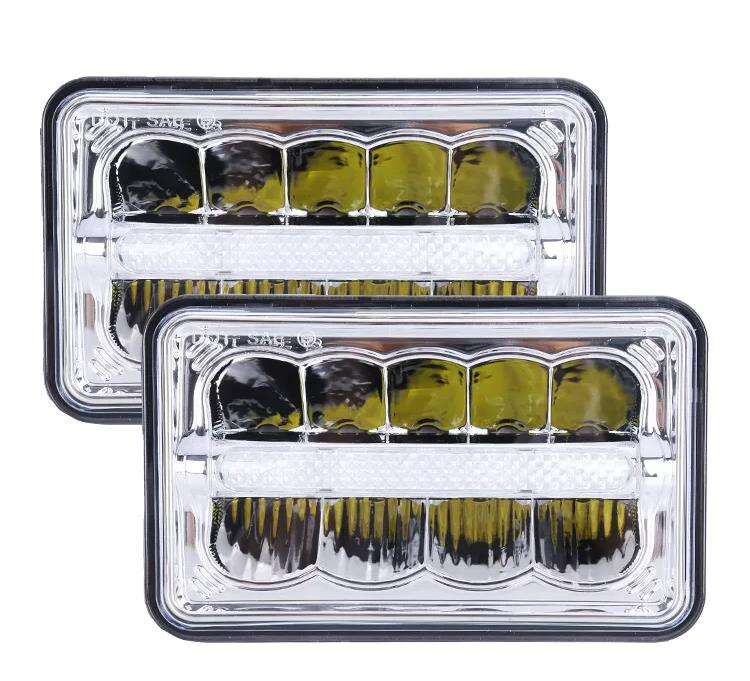
Optimizing Beam Patterns for LED Headlights in Urban and Off-Road Environments
Understanding Beam Pattern Optimization for LED Headlights
Why Beam Patterns Matter in Urban and Off-Road Settings
How beams are shaped makes all the difference when it comes to seeing and being seen on the road. City drivers need beams that cut down on glare for people coming toward them at night, while still lighting up the pavement ahead. Studies show that reducing this glare actually cuts down on collisions during late hours. When we hit dirt roads or mountain trails, regular headlights just don't cut it anymore. Off-road vehicles need those wider, flatter beams to light up rocks, branches, and unexpected obstacles that would otherwise be invisible. Picking the right beam pattern isn't just about safety; it's about matching what the road demands. Urban streets need one thing, backcountry paths another entirely. Getting this right means fewer surprises for drivers no matter where they're headed.
Key Differences Between Flood, Spot, and Combo Beams
Knowing the difference between flood, spot, and combo beams really matters when picking out lights that work best for different situations. Flood beams spread light all around, great for seeing what's close by. Perfect if someone needs to navigate tight spaces like city streets or find parking spots at night. Spot beams do the opposite though they concentrate light into a narrow beam that reaches far ahead. Nighttime trail riding or exploring remote areas where distance vision counts? Spot beams are the way to go. Then there are combo beams these combine features from both types. Drivers who switch between town driving and weekend off-roading often prefer combos because they handle multiple scenarios without needing constant adjustments. The bottom line is each beam type brings something unique to the table, so matching them to actual driving conditions makes all the difference in safety and convenience.
Urban vs. Off-Road LED Headlight Requirements
Optimizing LED Headlights for City Driving: Glare Reduction and Precision
When driving through cities, getting the most out of LED headlights matters a lot for cutting down glare while still seeing clearly. Headlights made for urban environments need special design features that cut back on blinding glare for other road users and people walking around. The right kind of focused lighting helps spot important stuff like street signs, traffic lights, and unexpected things in the road ahead. Modern LED tech with better optical systems actually works pretty well at directing light where it needs to go without making things worse for others on the road. Research points to these improvements helping lower accident numbers in busy areas. Good city driving lights strike a balance between being bright enough to see and precise enough not to cause problems for others, keeping everyone safer on crowded streets.
Off-Road Demands: Long-Range Illumination and Durability
When it comes to off road LED headlights, there are some pretty important requirements they need to fulfill. Long range light output and solid build quality stand out as top priorities for anyone driving in rough, remote areas where help isn't always nearby. Drivers really benefit from being able to see what lies ahead because it gives them time to react before encountering unexpected obstacles on the trail. These lights also have to survive tough conditions, so manufacturers typically build them with strong waterproofing and shock absorbing components. Another key factor is having beams that spread wide enough to show details across uneven ground surfaces, making navigation much safer when roads turn into trails. According to industry reports, better lighting can cut down accident rates significantly just by making hidden hazards visible earlier.
Technical Considerations for Optimal Performance
Brightness (Lumens) vs. Effective Light Spread
Getting the right mix of brightness and how far the light spreads matters a lot when it comes to seeing clearly at night. Lumens tell us how much light a headlight puts out overall, but just having high lumens doesn't mean we'll actually see better on the road. What really makes a difference is how the light is shaped and where it goes. Good LED headlights need to strike a balance between being bright enough and spreading the light properly across the road ahead. Studies indicate that lights that spread evenly help drivers judge distances better and spot things happening on the sides of the road too something that matters whether driving through busy cities or navigating rough terrain. The best headlights focus their beams exactly where drivers need them most, making all the difference between safe travel and potential hazards in any kind of setting, from packed downtown areas to lonely country roads.
Waterproof Ratings and Shock Resistance
The durability of LED headlights gets measured through those IP ratings we all see these days. These numbers tell us how well lights stand up against water and dust getting inside them. Off road drivers really need to check if their headlights have good waterproof protection like IP67 rating because nobody wants to get stuck somewhere when rain starts pouring down or mud flies everywhere. Another thing worth looking at is how resistant the lights are to shocks since bouncing around on rocky trails can easily crack or break standard headlights. Most companies now put out test results and official certifications showing just how tough their products actually are, which makes a big difference when people go shopping for new gear. Going for lights with solid IP ratings means they'll last longer no matter what kind of roads or trails come our way.
Color Temperature: Balancing Visibility and Eye Strain
LED headlight color temperature, measured in Kelvin units, really affects how comfortable drivers feel when driving at night. Most people find around 5000K pretty good since it looks similar to daylight outside during the day. This helps cut down on tired eyes after hours behind the wheel and makes the whole driving experience more pleasant. Research indicates proper color temps actually boost what drivers can see clearly and reduce stress while on those late-night trips. These days lots of newer cars come equipped with adjustable color settings so folks can tweak them depending on road conditions. The ability to change colors means better visibility whether someone is stuck in city traffic or trying to spot obstacles on rough terrain paths.
Top LED Headlights for Urban and Off-Road Use
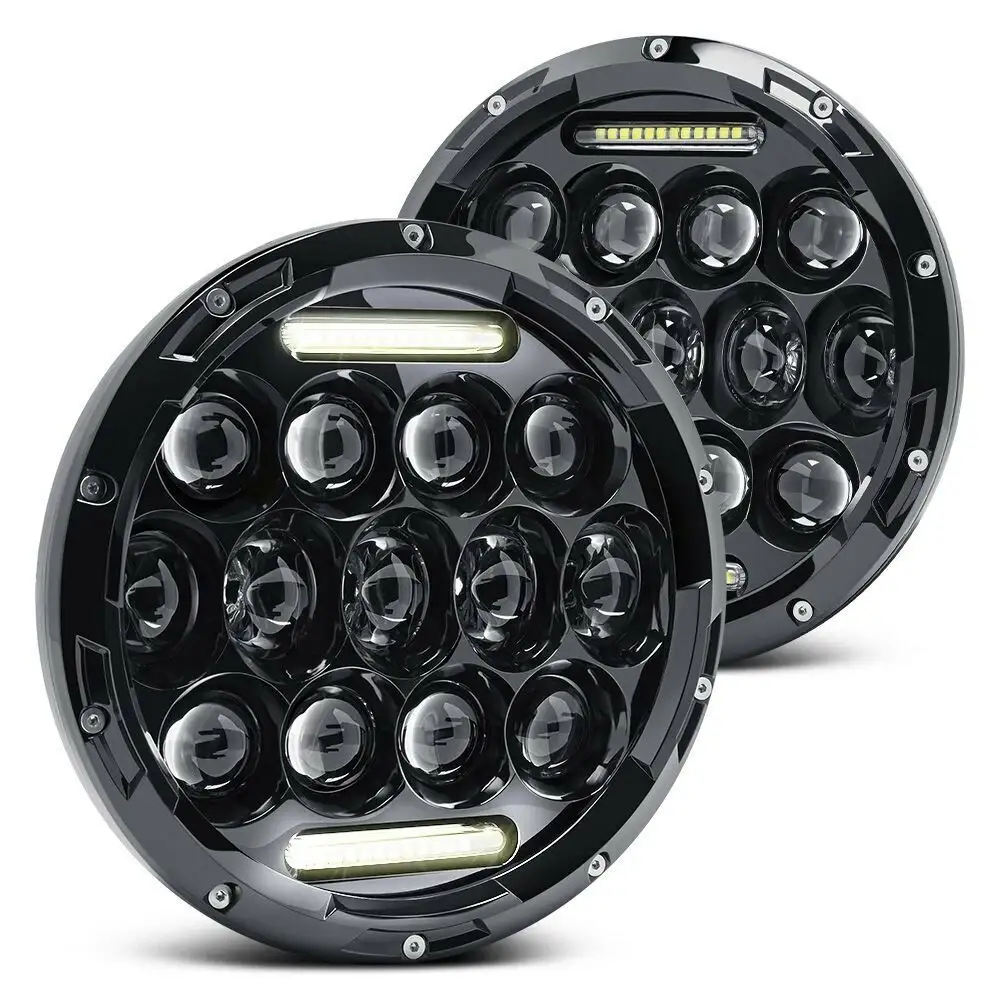
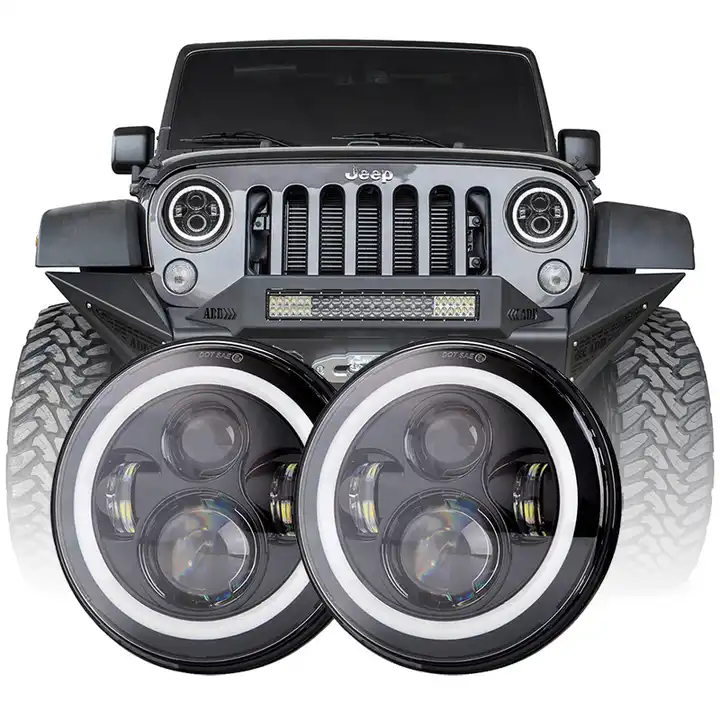
7-Inch Offroad LED Headlights Combo Beam (75W, IP67 Waterproof)
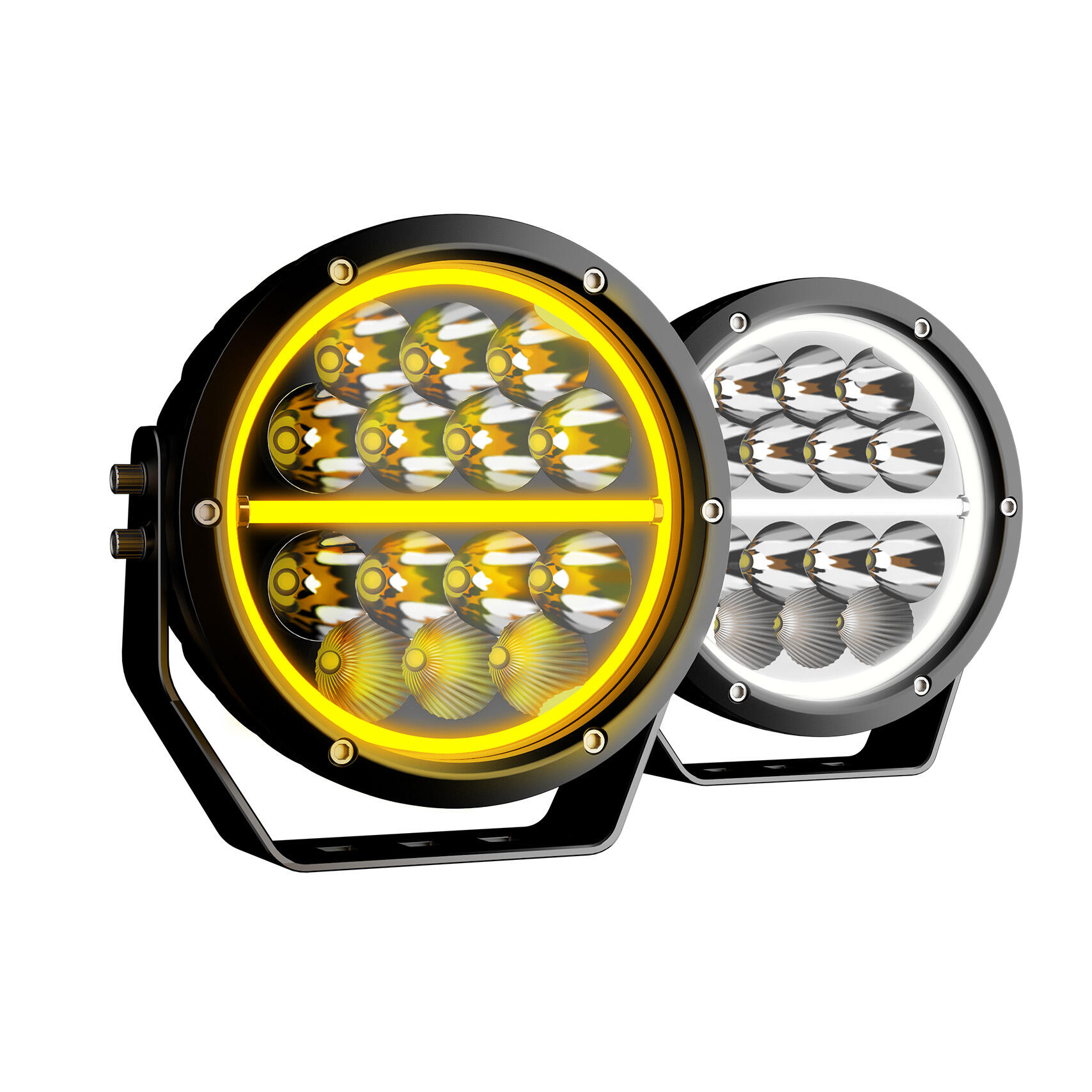
The 7 inch offroad LED headlights pack a punch with their combo beam setup that works great whether driving down the highway or tearing through trails. They'll fit most Jeeps from model year 1997 all the way up to 2018, giving drivers seriously bright visibility at night. On high beam mode, these lights hit around 10,000 lumens while low beam still delivers solid 6,500 lumens for safer nighttime travel. What makes them stand out is the IP67 rating which basically means they can handle rain, mud, dust and whatever else Mother Nature throws at them during those weekend adventures off pavement.
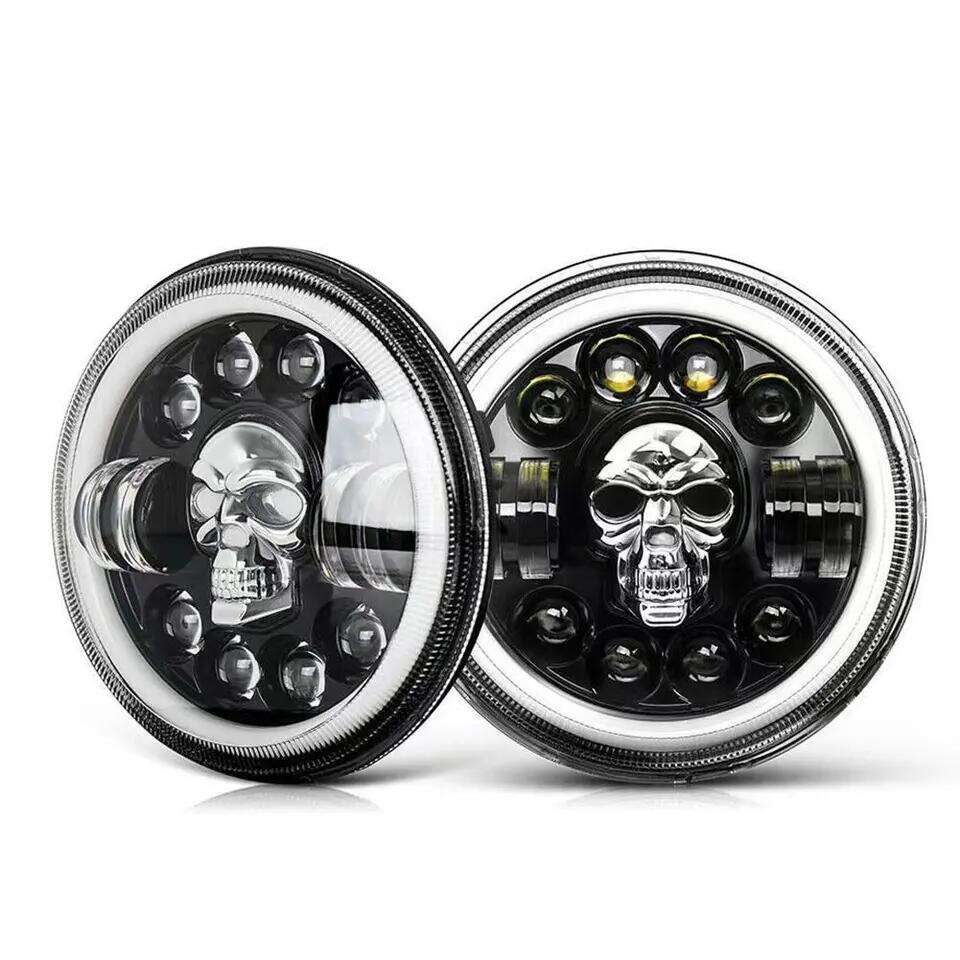
Super Bright Skull Off-Road Car RGB 7-Inch LED Headlights
The Super Bright Skull Off Road Car RGB 7 inch LED Headlights manage to mix good looks with practical benefits. What sets these apart is their skull shaped design that glows in various colors during day time driving while offering several different light settings when tackling rough terrain at night. Made from solid die cast aluminum housing protected by tough polycarbonate lenses, these lights stand up against rust, shocks, and water intrusion (rated IP67) so they last through all sorts of harsh environments. Installation is straightforward thanks to the plug and play setup most people finish within minutes. Many serious off road drivers have been switching to these lately because they just work better than standard options in dusty trails and muddy paths.
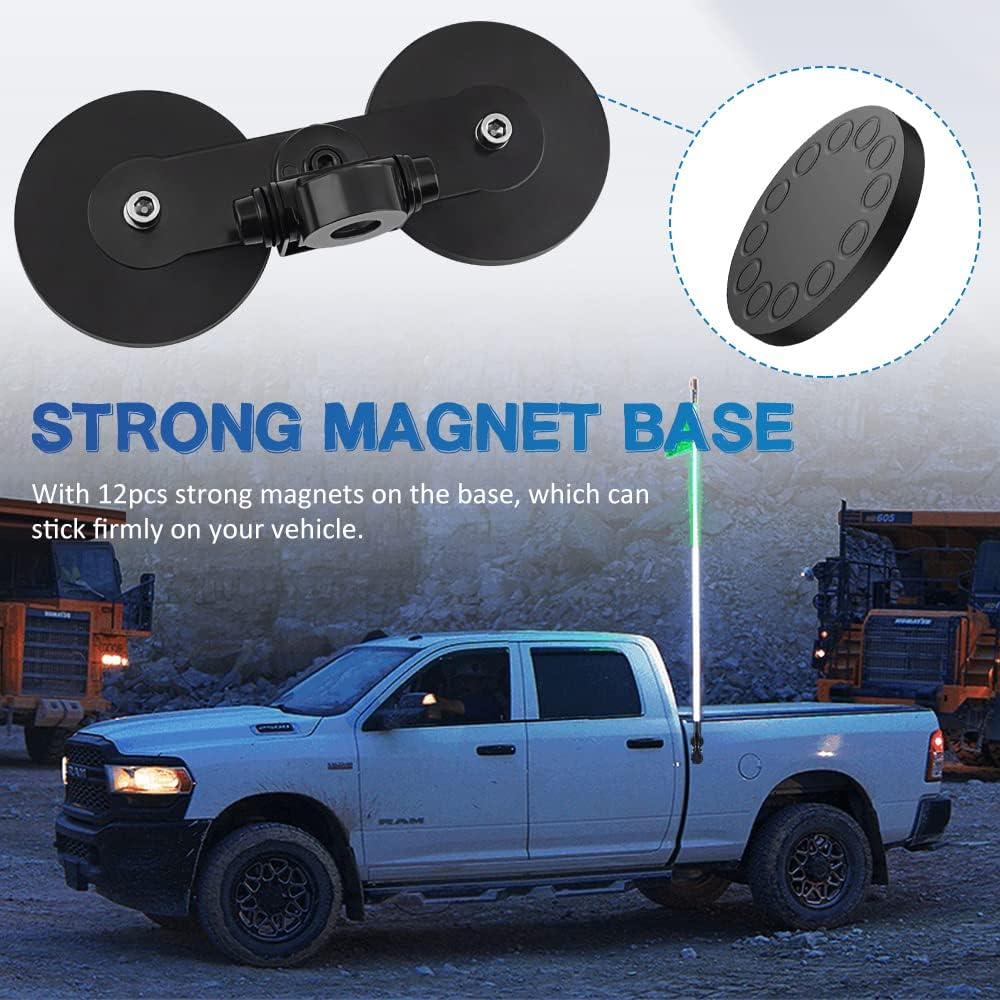
Magnetic Base LED Whip Lights with Multi-Purpose Mounting
Magnetic Base LED Whip Lights are pretty versatile stuff that works across different car models. What makes them stand out is the solid magnetic base backed by those powerful neodymium magnets. No need to drill holes anywhere on the car since they stick right onto flat surfaces. The mount comes with a 16mm hole which means folks can hook up not just whip lights but also CB antennas or flags without much hassle. These mounts are built tough too. They resist rust and corrosion while standing up to shocks and bumps, so they hold up well during serious off-roading when things get rough on the trails.
H4/H13 Adapter-Compatible Round LED Headlights for Wrangler Models
The 7 inch round LED headlights come equipped with H4/H13 adapters so they'll fit most Wrangler models out there. They're basically an upgrade path from those old stock halogen lights to something much better in terms of LED tech. Drivers will notice way better visibility at night thanks to the 180 percent boost in brightness, which makes all the difference when roads get slick or visibility drops during storms. These units have four different modes too high beams, low beams, daytime running lights, plus amber turn signals covering pretty much every situation drivers might encounter. Made from aluminum alloy that stays cool even after extended use, these headlights last longer than their competitors and install without needing any complicated wiring since everything connects right up to existing harnesses.
7x5-Inch Square LED Headlights with Amber/White Halo
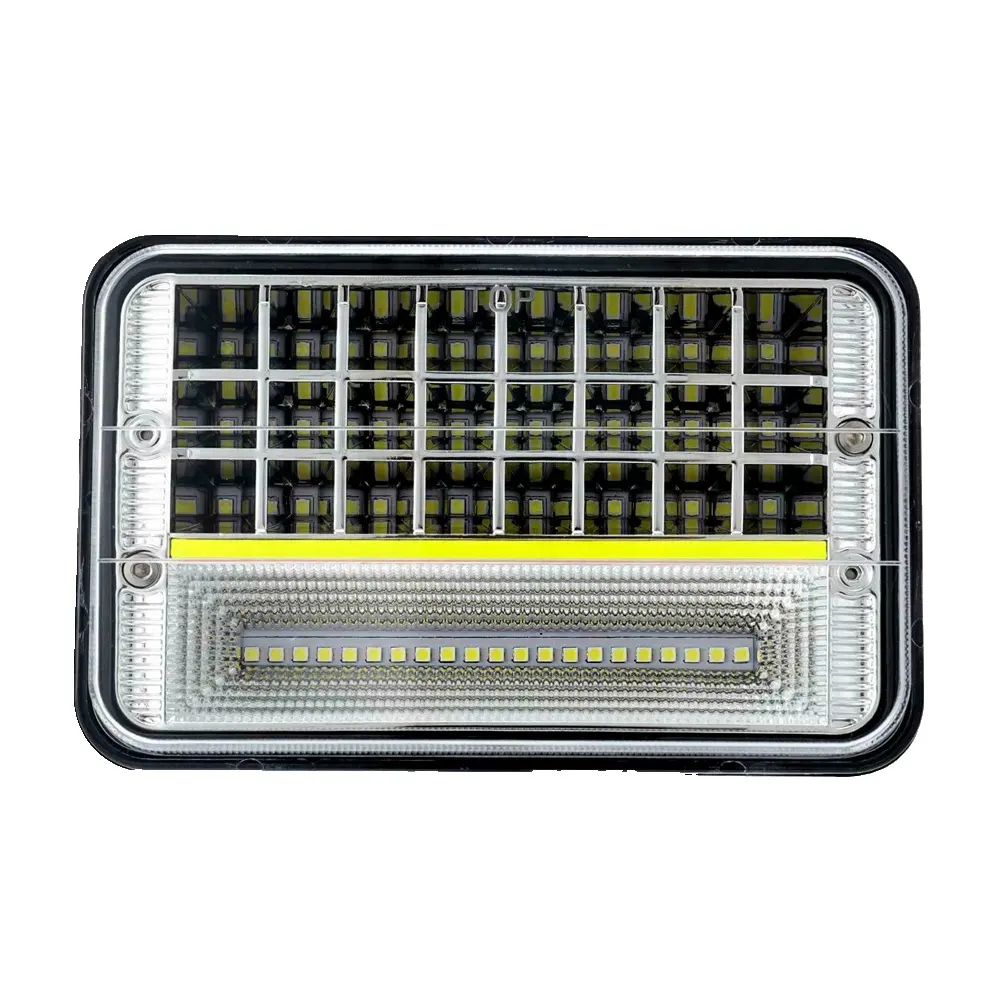
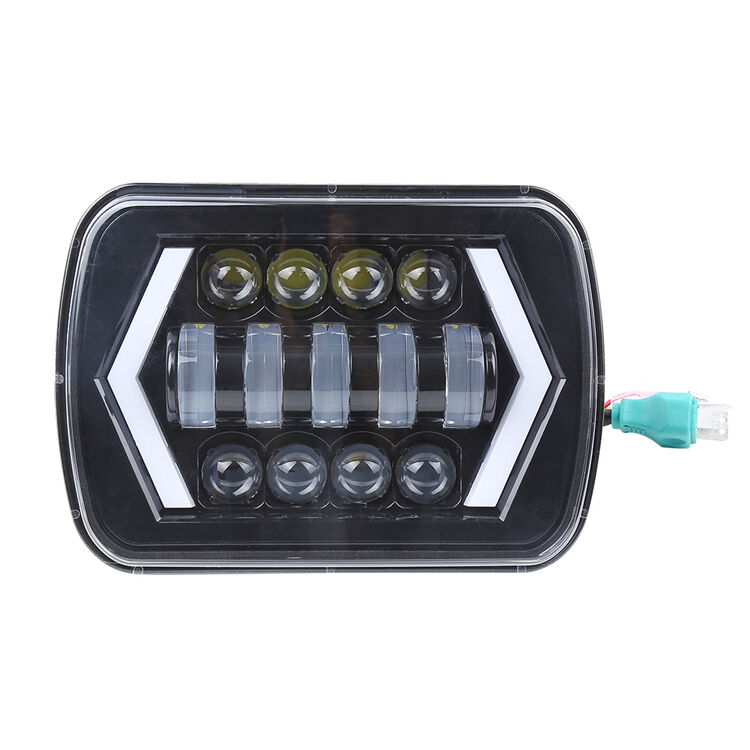
These 7 by 5 inch square LED headlights work great on most vehicles out there. What makes them stand out is the cool combination of amber and white halo around the edges that looks pretty sharp on any car. They come with both high and low beams built in, so they fit everything from regular passenger cars all the way up to big trucks and SUVs. Built tough with materials that can handle shocks and water exposure means these won't give up easily even after years of use. Installation is pretty simple too since it's basically plug and play for most models. Drivers who have switched to these report seeing things much better at night which definitely makes roads safer when darkness falls.