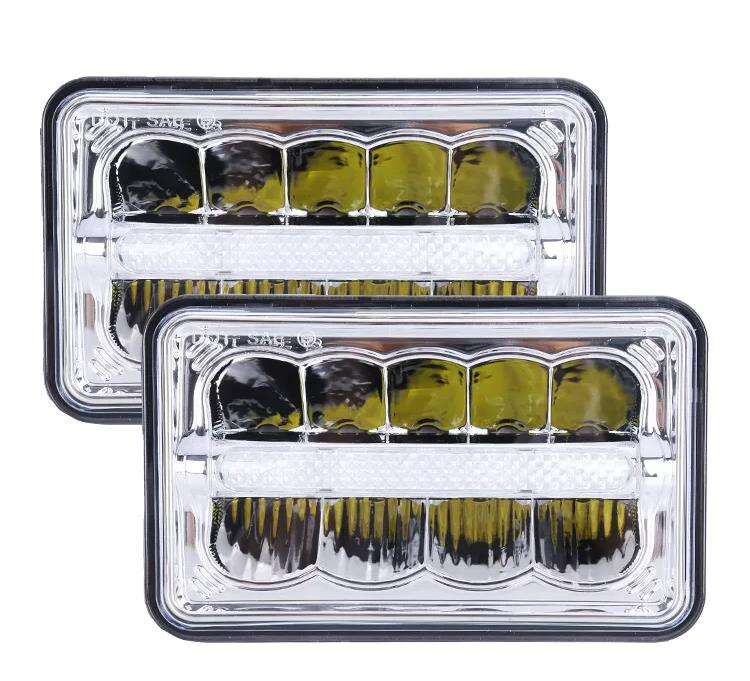
Practical Solutions for Foggy Roads: The Role of LED Fog Lights
Why LED Fog Lights Are Essential for Foggy Road Safety
Overcoming Visibility Challenges in Dense Fog
When fog rolls in, it really messes with what drivers can see on the road, turning normal commutes into risky situations. The numbers back this up too many crashes happen every year because drivers simply can't see what's ahead when visibility drops below 50 meters. That's why manufacturers created LED fog lights specifically for these conditions. These special lights spread out wider than regular headlights and penetrate through all sorts of weather including thick fog, heavy rain, and even snowfall. Regular headlights tend to bounce light back at the driver from water droplets in the air, creating blinding glare. Fog lights work differently they sit lower on vehicles and cast their beams closer to ground level where there's less moisture floating around. Most experienced drivers will tell anyone who'll listen that good quality fog lights make all the difference during those early morning drives when visibility is at its worst.
Comparing LED vs. Halogen Fog Light Performance
LED fog lights shine brighter than their halogen counterparts because they produce way more lumens. Drivers can actually see much better on rainy nights or through heavy fog when using these modern lights. What's even better? LEDs eat up way less electricity than old school halogen bulbs but still throw out the same amount of light, sometimes even more. Car manufacturers have been running tests for years now, and almost all of them find that LED bulbs last substantially longer than those traditional halogen ones. The whole package of extra brightness, lower power consumption, and longer life span is why so many drivers are switching to LED fog lights these days. Better visibility means safer roads during bad weather, which is something every motorist should care about.
The Science Behind Yellow LED Fog Light Effectiveness
When it comes to cutting through fog, yellow LED fog lights work better than white ones at reducing glare and making things clearer on the road. The reason? Yellow lights have a warmer color temperature, usually sitting around 3,000K, which actually gets through fog better without giving drivers headaches like colder white lights tend to do. People who study lighting, including folks at places like the Light and Health Research Center, point out something interesting about yellow light waves they're longer, so they help create better contrast against all those tiny particles floating around in bad weather conditions, whether it's raining or snowing. For anyone wanting safer driving experiences in poor visibility situations, going with yellow LEDs isn't just a preference it's supported by actual science too.
Critical Features of High-Performance LED Fog Lights
IP67 Waterproof Rating for All-Weather Reliability
The IP67 waterproof rating matters a lot for LED fog lights because it means they won't let dust inside and can handle being submerged in water up to one meter deep without problems. This kind of protection really counts when dealing with outdoor equipment or cars that get hit by rain, snow, or mud regularly. When fog lights stay dry inside, they last longer and need less fixing since moisture doesn't cause foggy lenses or internal water damage. Drivers who spend time on rough terrain or driving through intense downpours know how important this is. Those IP67 rated lights keep working properly even when conditions get tough, which helps everyone see better and stay safe on the road.
Beam Patterns: Spot vs. Flood for Road Illumination
The type of beam pattern makes all the difference when it comes to getting good road illumination from those LED fog lights we install. Spot beams concentrate light into one tight area, which is great for seeing things far ahead. That's why they work so well at higher speeds when drivers need to spot obstacles way down the road. Flood beams do something different though. They spread out the light across a much larger area, giving better side vision around the vehicle. This makes them really useful when moving slowly through tricky terrain or navigating muddy trails. Getting the right beam pattern applied properly can make nighttime driving safer because it matches what the environment actually needs. Take highways for example spot beams shine there since visibility matters most at distance. But when roads get foggy or covered in heavy rain, flood beams become our best friends because they cut through the moisture and still provide decent visibility around the car.
Color Temperature: 5000K-6000K Optimal Range
LED fog lights work best when they fall within the 5000K to 6000K color temperature range. These temperatures strike just the right balance between visibility and comfort, so drivers don't get tired eyes from staring at overly bright or dim lighting. Think about it this way: the light looks similar to what we see during daylight hours, which helps us spot those important road signs and lane markers even when visibility drops because of rain or fog. Research backs this up too many tests show that brighter white light actually improves contrast, making it much easier to spot things on the road ahead when conditions get tricky. Plus, since these lights mimic natural daylight, they help reduce driver fatigue during long drives at night or through persistent bad weather. That's why so many car manufacturers specify these temperatures for their fog light systems road safety and driver comfort simply come together better with this kind of lighting.
Durable Housing for Vibration Resistance
When it comes to LED fog lights, tough outer casing isn't just nice to have it's absolutely essential, particularly for those driving off road or through rough terrain. Cars bouncing over rocks and dirt trails constantly get hit by jolts and shakes that will wreck standard lighting gear pretty quickly. The best fog lights on the market today use stuff like polycarbonate shells and aluminum frames because these materials really hold up against all that punishment. Research into automotive lighting has found something interesting too lights built with solid materials last much longer while keeping their brightness intact even after months of abuse. That means drivers tackling mountain passes or desert tracks don't have to worry about their headlights going dark at the worst possible moment.
Top-Rated LED Fog Light Solutions for Off-Road Vehicles
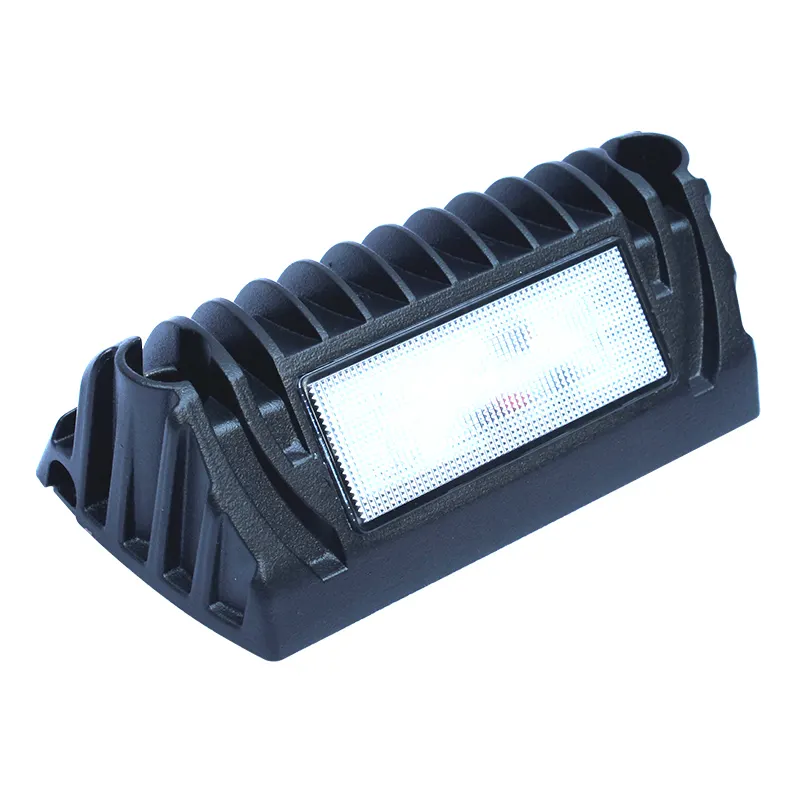
3.2Inch 24W Square Spot/Flood LED Work Light - IP67 Rated
The 3.2 inch 24 watt square spot flood LED work light was built tough for rough off road situations. It comes with IP67 rating which means it can handle dust storms and rain without quitting on you. So even when Mother Nature throws her worst at it, this light keeps working while needing almost no upkeep. What really stands out is the dual beam feature. Switch between focused spot lighting for long distance visibility or wide angle flood mode whenever trails get tight and twisty. This kind of versatility works wonders whether crawling through thick mud patches or navigating over jagged rocks where every bit of illumination counts.
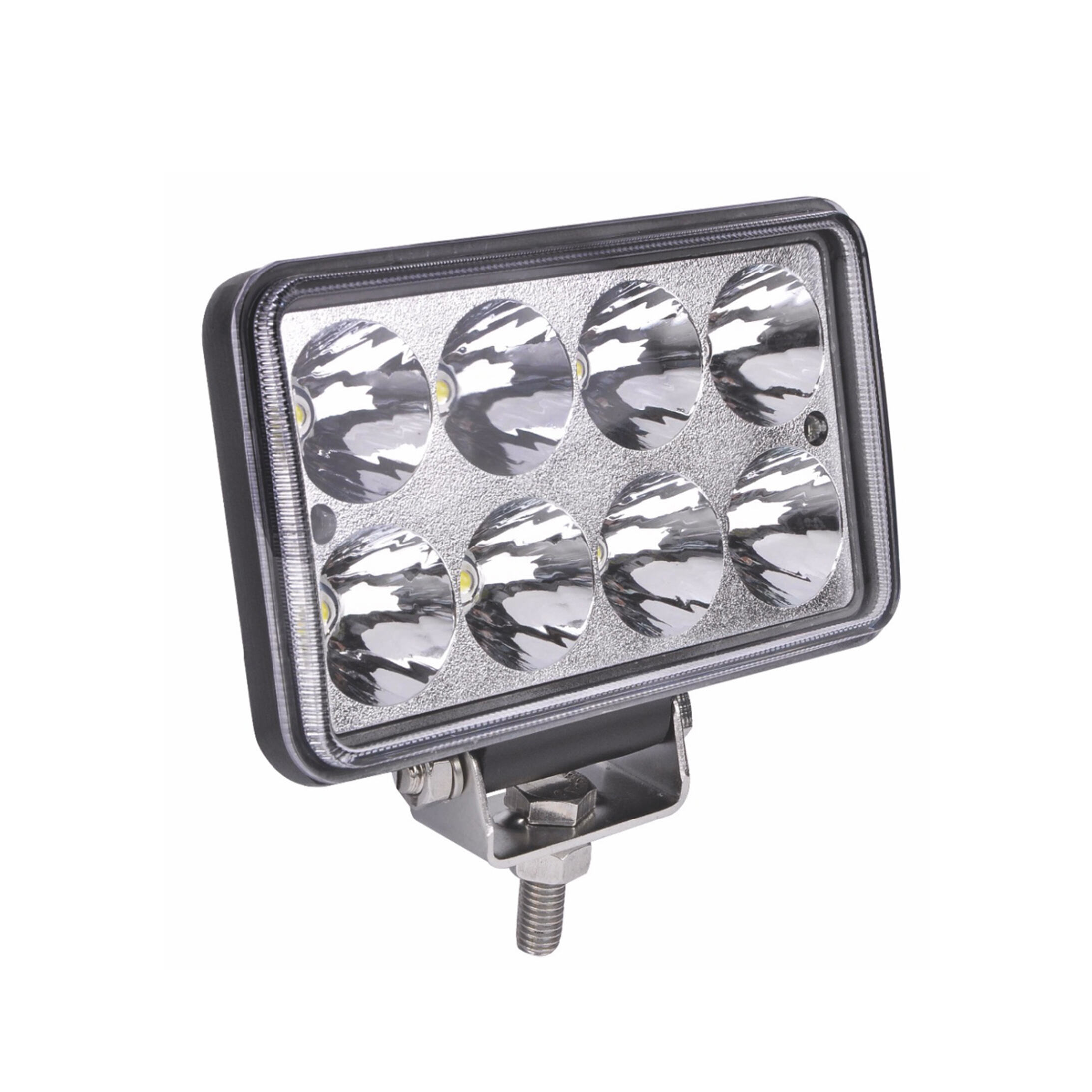
4.5Inch 62W Round LED Work Light with Mixed Beam Optics
The 4.5 inch 62 watt round LED work light comes with mixed beam optics technology that blends both spot and flood beams together for better lighting all around. What makes this so good is how it balances reach and spread at the same time, which works great when tackling rough terrain where lighting needs change constantly. These lights throw out serious lumens too, meaning drivers can see obstacles clearly ahead even when visibility drops after dark or bad weather hits the road.
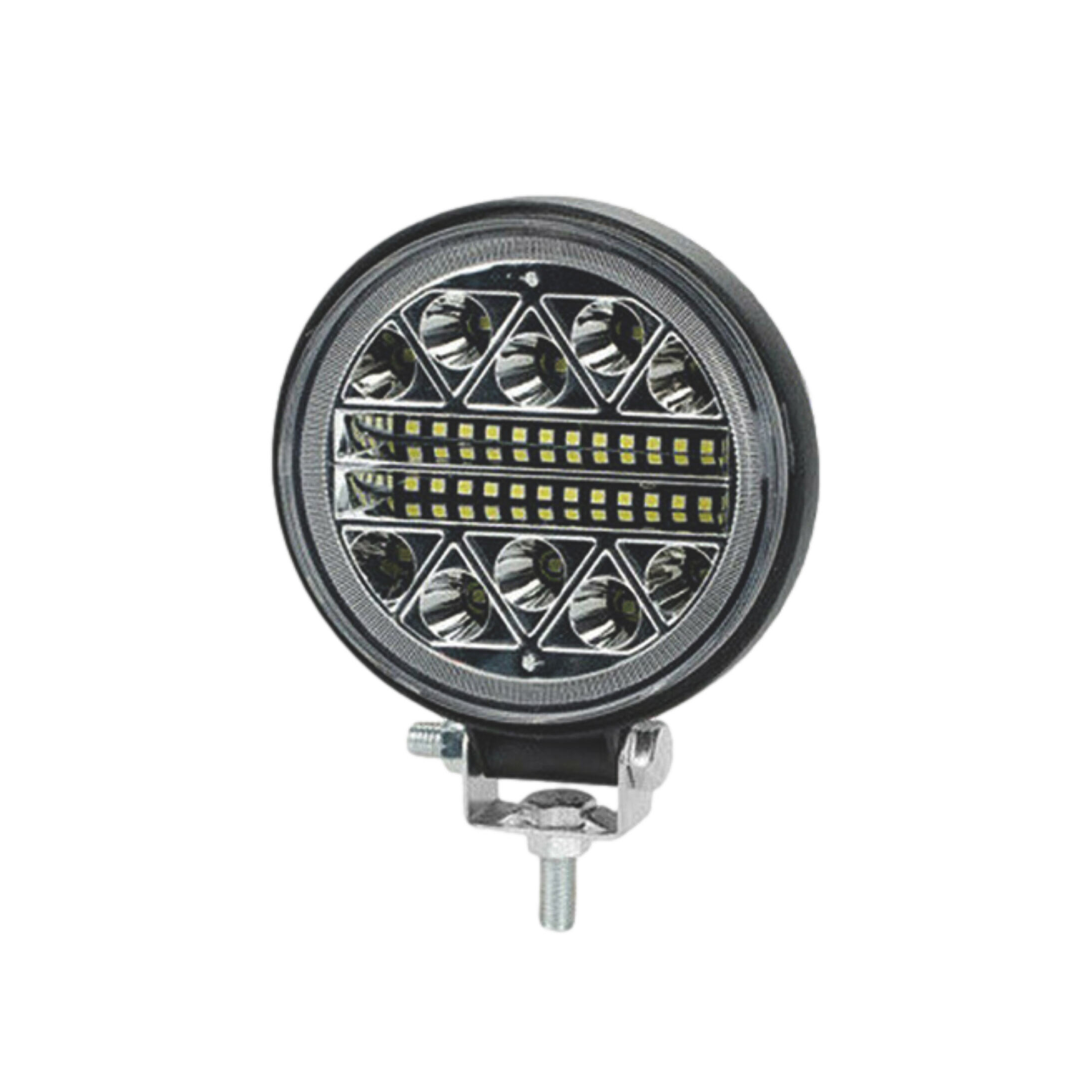
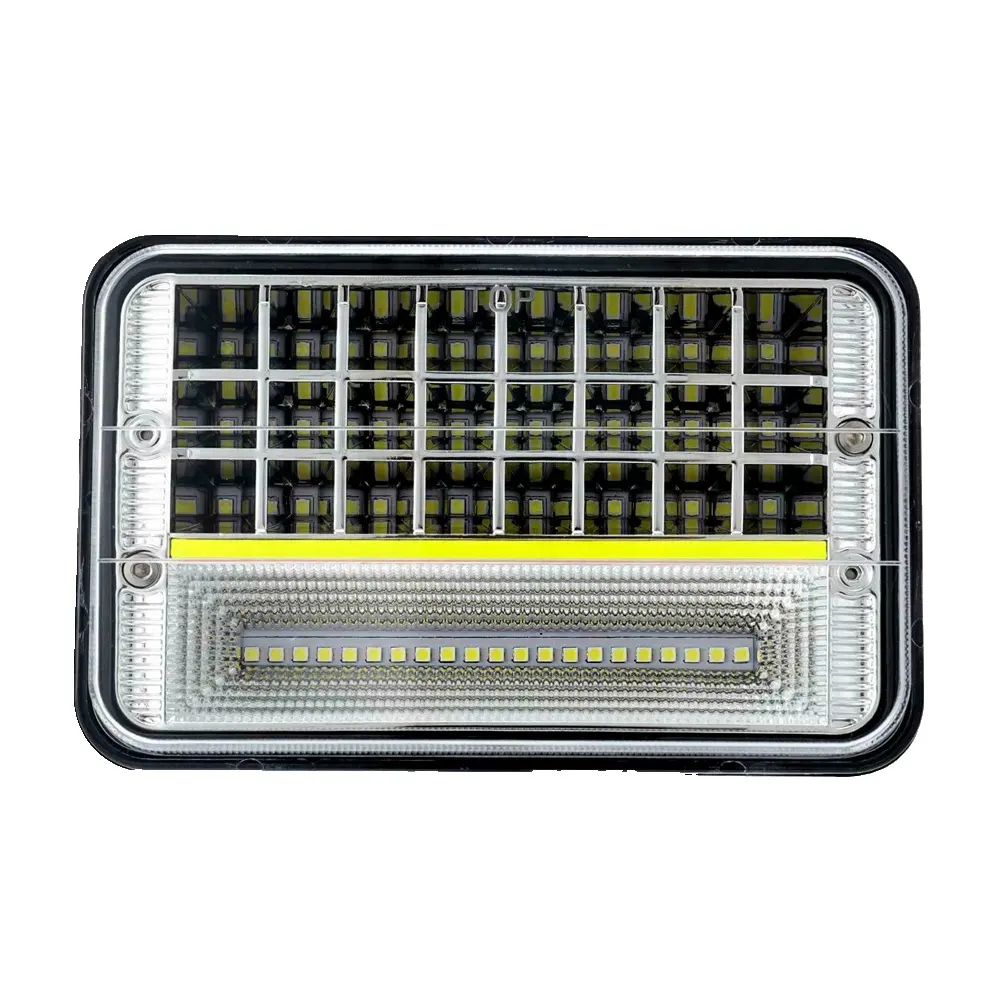
4.3Inch 38W Square Light with DRL Yellow/White Combo
What really sets the 4.3 inch 38W Square Light apart is its clever DRL setup that mixes yellow and white lighting to boost visibility during daylight hours. The yellow component creates better contrast when roads get fogged up or washed over by rain, something drivers appreciate on those tricky mornings. Meanwhile the white light keeps things looking normal for regular traffic situations. Drivers who tackle rough terrain will find this combination particularly useful across all sorts of conditions. Whether navigating muddy trails at dawn or heading home after dark, these lights help keep everyone aware of what's happening around them, making journeys much safer no matter the weather.
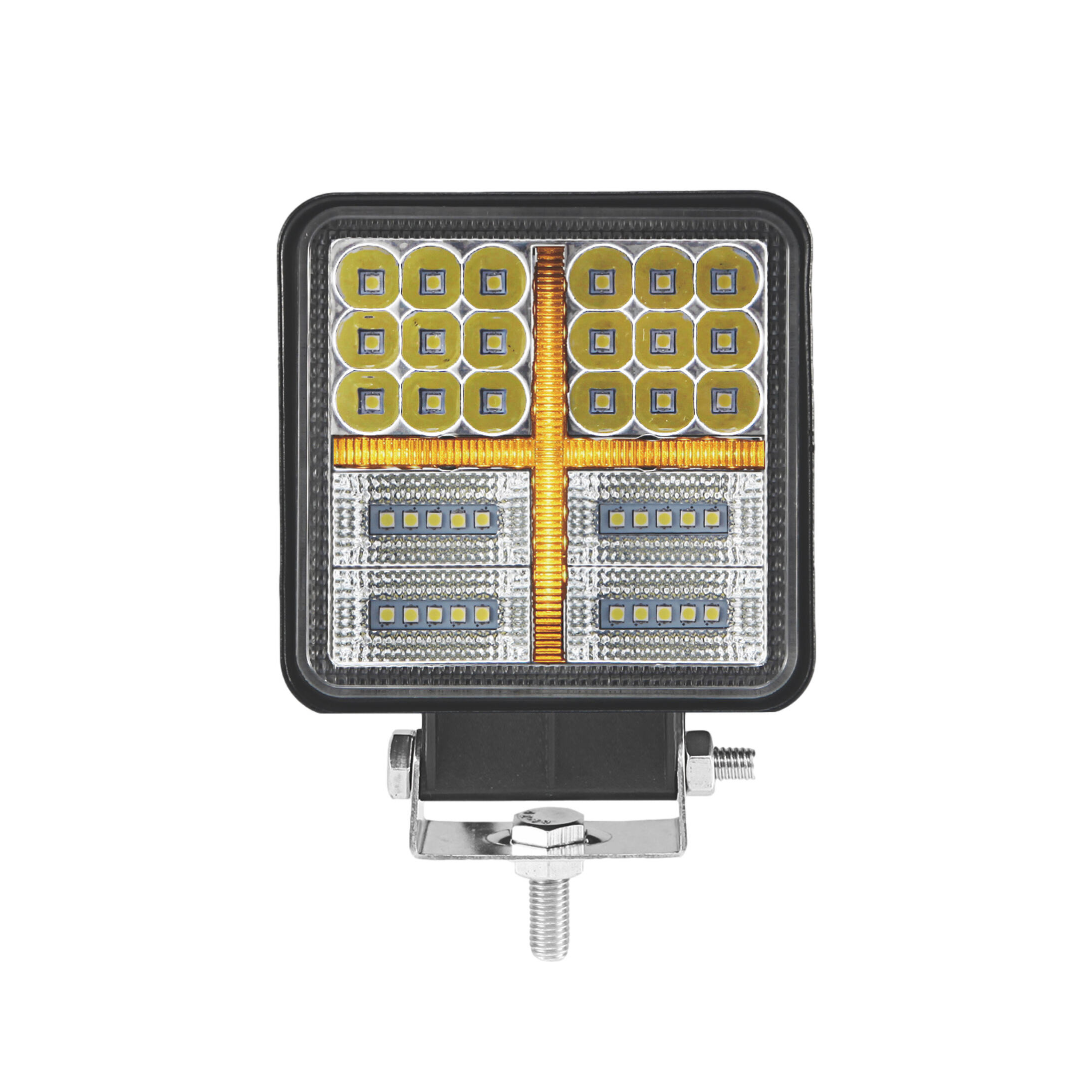
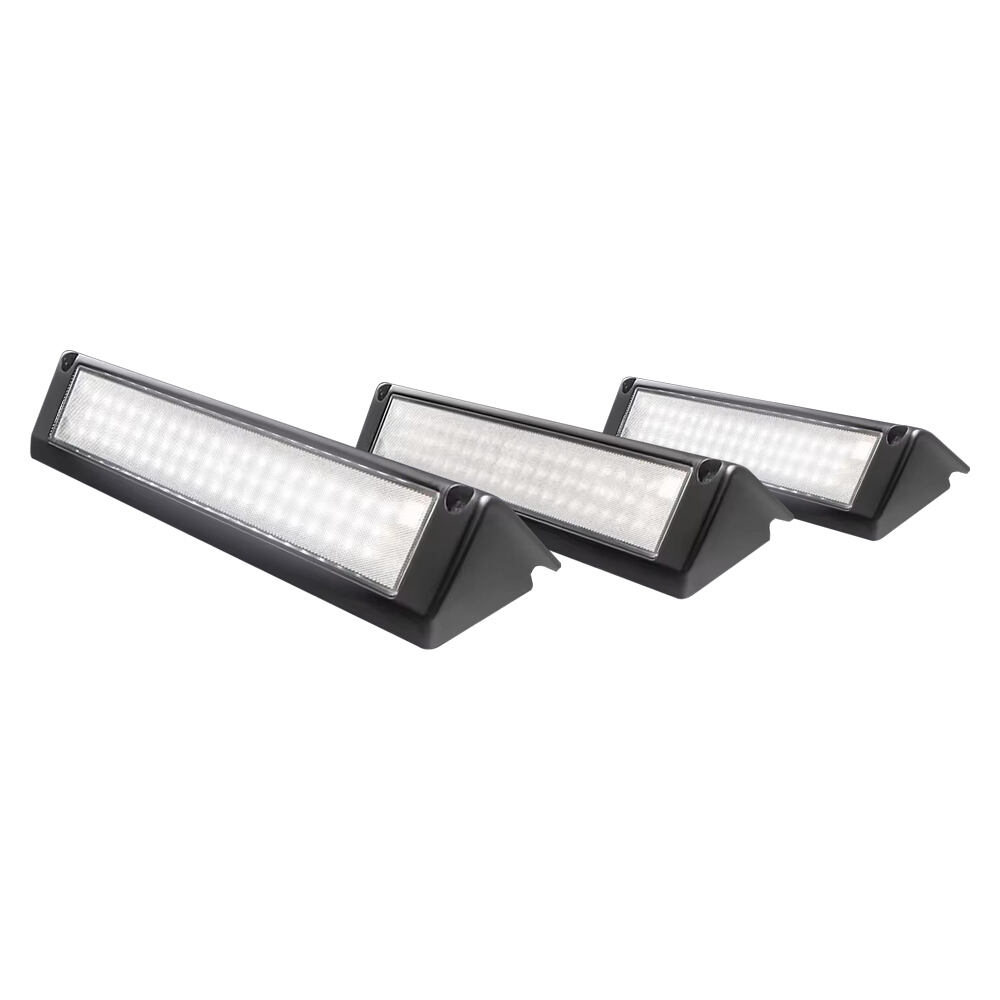
4.3Inch 62W Square LED Light for Long-Range Visibility
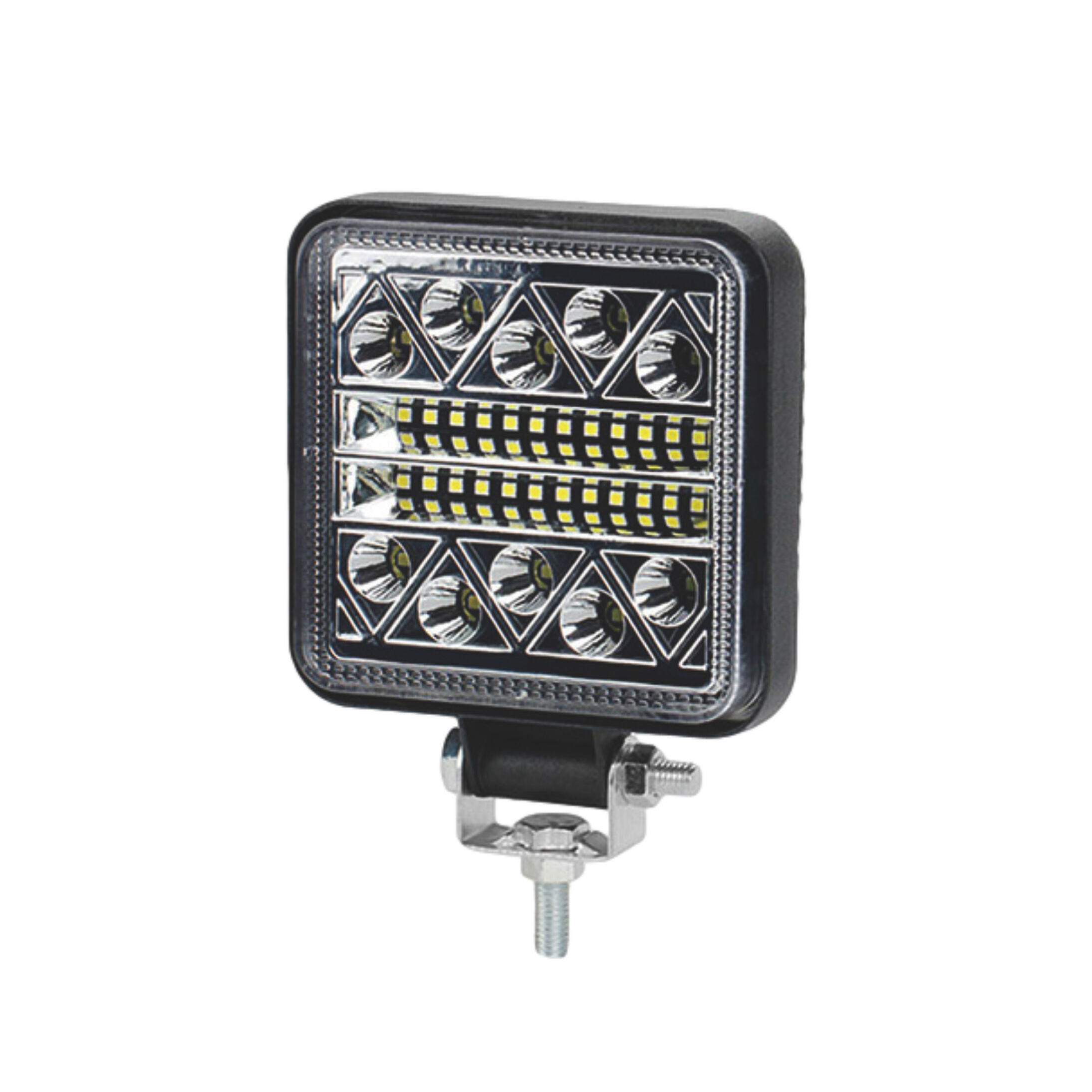
The 4.3 inch 62 watt square LED light offers amazing visibility at distance, which makes all the difference when navigating rough terrain during off-road adventures. Drivers need to spot what's ahead fast, and this light helps them do just that. Works great alongside existing lights to create total coverage around the vehicle. The brightness really stands out too. Faraway objects become clearly visible under this light, so drivers can avoid potential dangers before they get too close. Anyone who spends time on trails knows how important good lighting becomes when conditions turn tough.
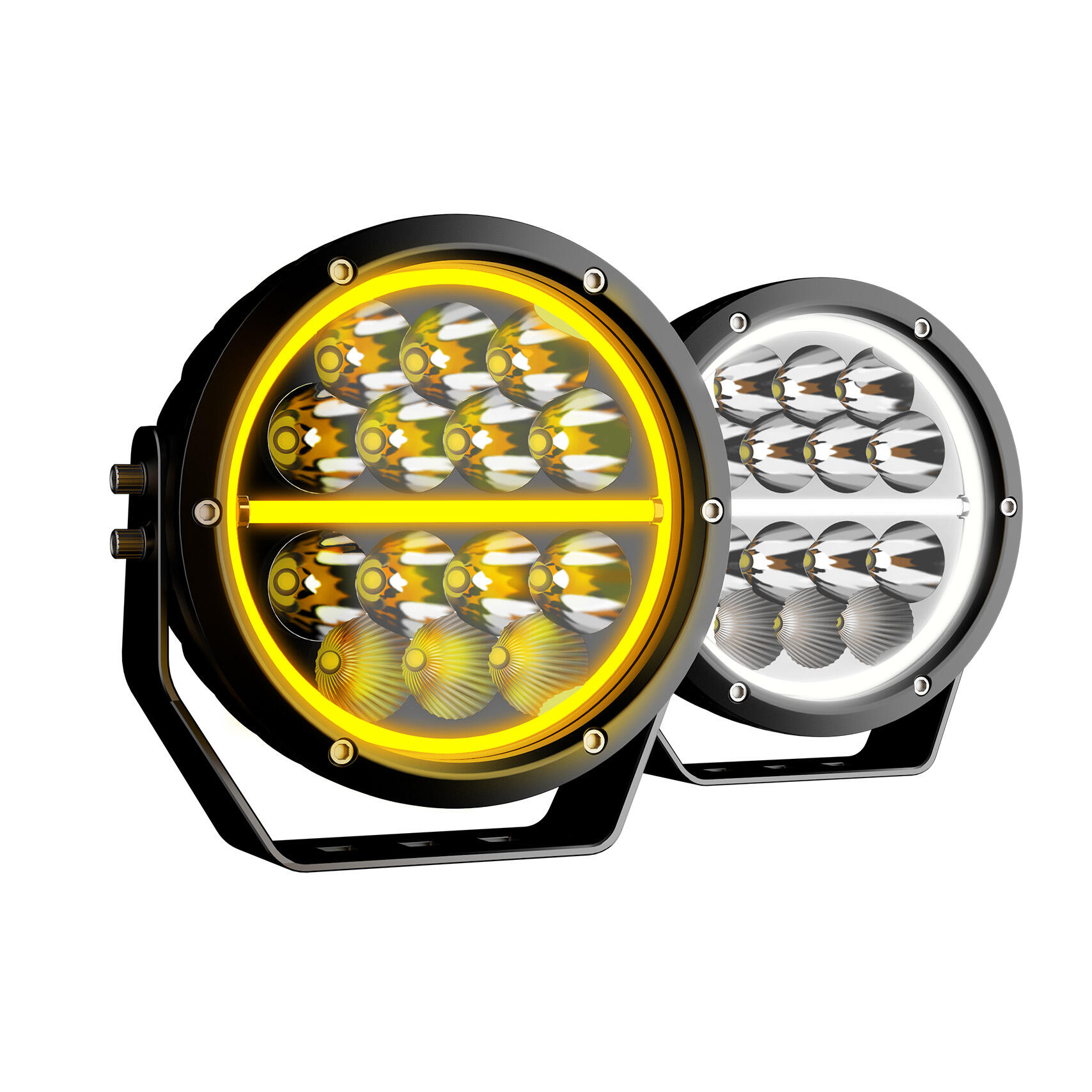
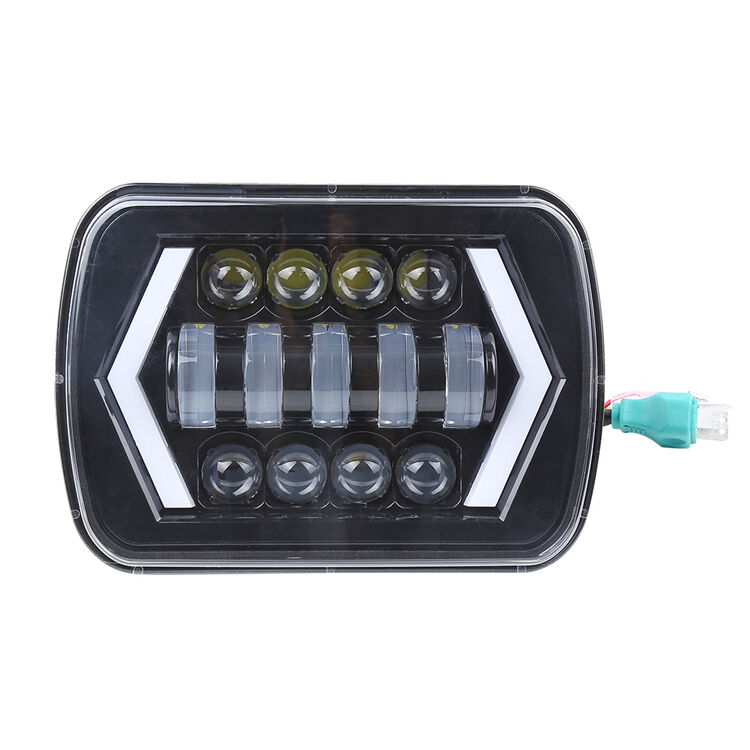
4.5Inch 35W Round DRL LED Light with Amber Halos
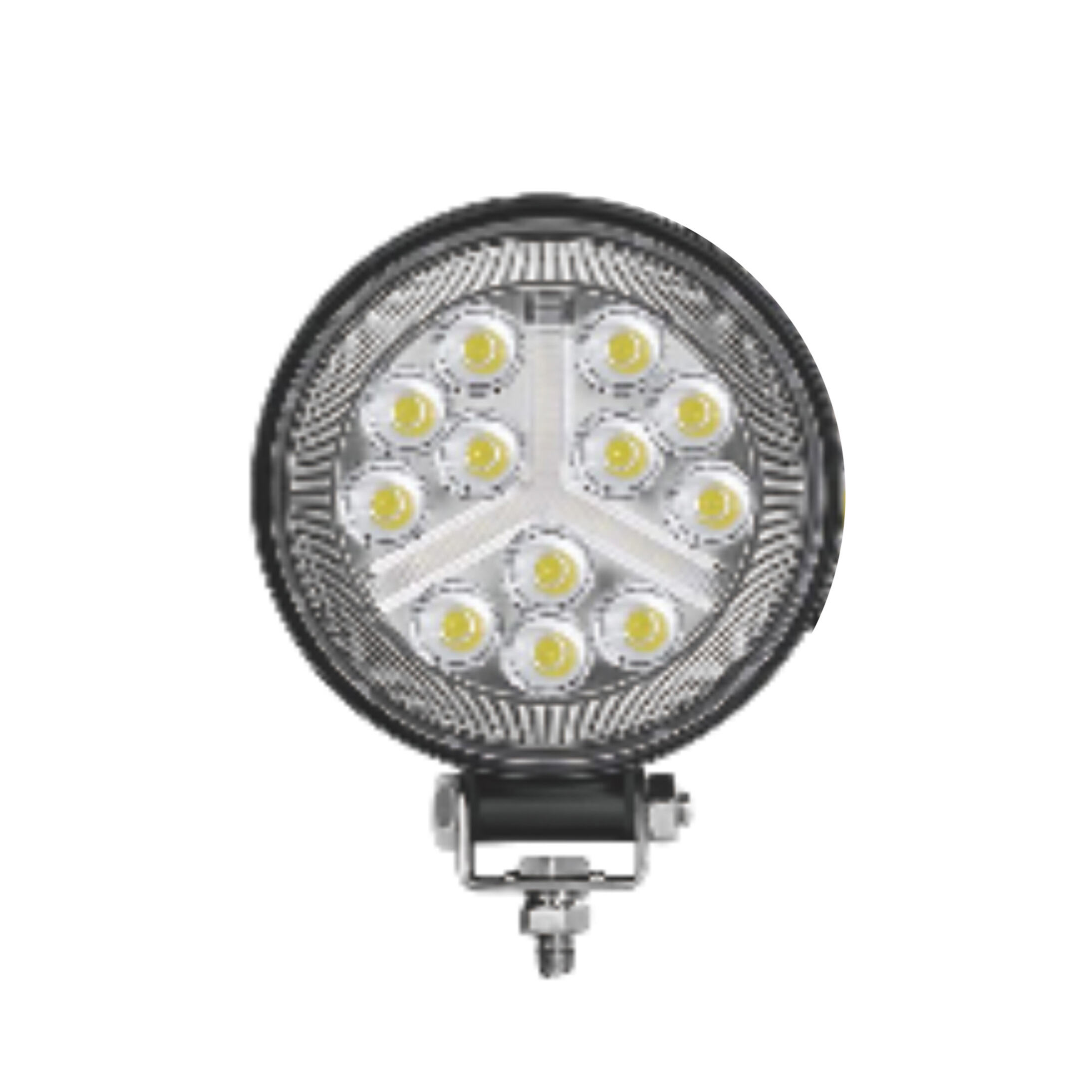
The 4.5 inch 35 watt round DRL LED light comes with those nice amber halo rings around it. These look pretty good on most cars and actually help drivers see better at night too. The amber color works great for cutting through all sorts of bad weather conditions without causing annoying glare for other motorists. When installed, these lights give vehicles that extra pop while making them much easier to spot from a distance. They shine bright enough to light up roads properly even when there's thick fog or heavy rainfall, so drivers stay safer out there no matter what Mother Nature throws their way.
Installation and Alignment Best Practices
Bumper-Mount Positioning for Optimal Light Spread
Putting fog lights on the bumper tends to be the top choice when it comes to spreading light effectively across the road. The reason? Bumper mounted fog lights sit lower than other options, making them much better at penetrating thick fog without bouncing light back at drivers. When installing these lights, most experts recommend positioning them at an angle that cuts down on glare while still covering plenty of ground ahead. Typically this means pointing the beams just a bit downward and outwards from the car. Doing so helps light up more pavement for better visibility, while keeping things from getting too bright for anyone coming the other way. Safety-wise, this setup works pretty well for most drivers in real world conditions.
Wiring Considerations for 9-30V Vehicle Systems
Connecting LED fog lights to those 9-30V car systems requires some serious focus on wiring safety and making sure everything works together properly. Want to avoid problems with voltage dropping? Then get those connections tight and go with the right wire thickness for the job. The wrong kind of wiring won't just cause headaches down the road it might actually fry components or create dangerous situations. Different makes and models handle fog light circuits in their own way too. Some folks overlook this part completely until they start getting weird electrical behavior from other parts of the car. Take time to research exactly what kind of setup the manufacturer expects before diving into installation.
Avoiding Glare: Proper Angling Techniques
Getting the angle right matters a lot when it comes to fog lights not blinding other drivers on the road. What we really want is for those beams to cut through the fog while staying below eye level so nobody gets flashed. Most folks find that pointing their fog lights just a bit downward works best, plus making sure both sides line up properly. Some people swear by those diagrams stuck under the hood or in manuals that show exactly how far down to aim them. When drivers take time to get these settings spot on, visibility improves大大 in bad weather situations, which makes everyone feel safer out there driving around in all that mist and rain.
Maximizing LED Fog Light Lifespan and Efficiency
Heat Dissipation Strategies for Prolonged Use
When LED lights get too hot, they tend to burn out way faster than they should, mostly because they aren't getting proper cooling. The fix? Good old fashioned heat management makes all the difference here. Most folks tackle this problem with two main approaches: heat sinks and better air flow around the fixtures. Those metal fins attached to many LED units actually do a pretty good job soaking up excess warmth and spreading it out so the bulbs don't cook themselves. And don't forget about airflow either. Just making sure there's space between fixtures and walls or ceilings lets hot air move freely instead of building up inside. We've seen installations last years longer when these simple principles are followed properly.
Cleaning Protocols for Lens Clarity Maintenance
Keeping fog light lenses clean makes all the difference in how well they work when needed most. Most folks forget to clean them regularly until visibility drops suddenly. Dirt and moisture build up on those lenses day after day, gradually cutting down on how far the light actually reaches. A simple routine works wonders here - grab some gentle cleaner and a microfiber cloth, then give those lenses a good wipe without scratching them up. And don't ignore water getting inside the housing either. Left unchecked, internal moisture clouds the glass and reduces effectiveness just when drivers need maximum illumination. Taking five minutes monthly maintenance keeps fog lights performing at their best during poor weather conditions.
When to Upgrade: Signs of Diminished Performance
It pays to know when those LED fog lights need replacing if we want them performing at their best. Signs things are going south usually show up as dimmer lights, annoying flickers, or just plain old wear and tear on the actual bulbs themselves. Once folks start noticing these issues, looking into new options makes sense. Good upgrades typically focus on brighter illumination, lower power consumption, and parts that last longer without breaking down. Getting this right isn't just about visibility either safety depends on it too, especially during bad weather conditions when clear vision matters most.