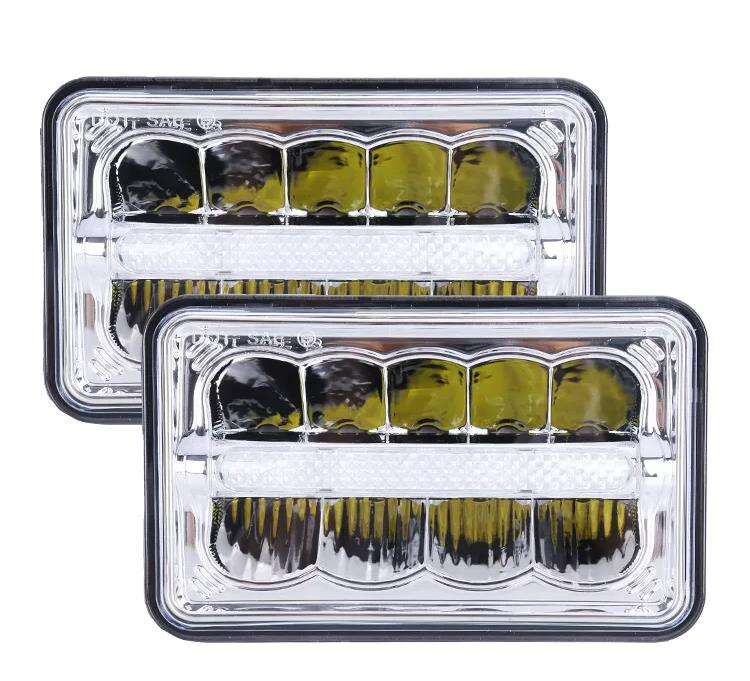
Whip LED Lights: Innovation In Car Lighting Design
The Evolution of LED Lighting in Automotive Design
The story of LED lighting really began taking shape back in the late 20th century when engineers finally managed to create an LED that emitted visible light way back in 1962. This breakthrough changed how cars looked on the road at night compared to those old fashioned halogen bulbs everyone used before. As time went on through the 70s and 80s, automakers started incorporating these new LED technologies into their designs because they simply produced brighter, clearer illumination than anything else available. Nighttime driving became much safer as a result. What made LEDs so appealing was their superior brightness combined with lasting power. Traditional halogen lamps just couldn't keep up after all these years as their shortcomings became increasingly obvious to both mechanics and everyday drivers alike.
Around the turn of the millennium, improvements in solid state lighting really pushed LED lights into mainstream vehicle applications. The main reasons? LEDs consume far less power and last much longer than traditional bulbs, making them practical for carmakers looking to cut costs over time. Market research from Research and Markets shows interesting numbers too. Their latest figures put the value of automotive LED lighting at around $15.7 billion back in 2023, and they predict this will climb to nearly $22 billion by 2029. That represents about a 5.8% yearly growth rate. These kinds of market shifts tell us something important about where the industry is heading. Car manufacturers aren't just chasing technology anymore; they're responding to real demands from consumers who want better fuel economy and longer-lasting features in their vehicles.
LED lighting has really changed how cars look these days. Car makers can now play around with lighting options that weren't possible before, creating lights that do more than just illuminate the road. Take those fancy adaptive headlights or matrix LED systems for instance. These aren't just cool looking features they actually help drivers see better at night too. The ability to customize car lighting has become a big selling point for many buyers who want their ride to stand out from the crowd. People are starting to treat car lighting like fashion accessories, picking colors and styles that reflect their personality. This shift is reshaping what we expect from car design in general.
Key Features of Modern LED Whip Lights
Customizable Color and Pattern Settings
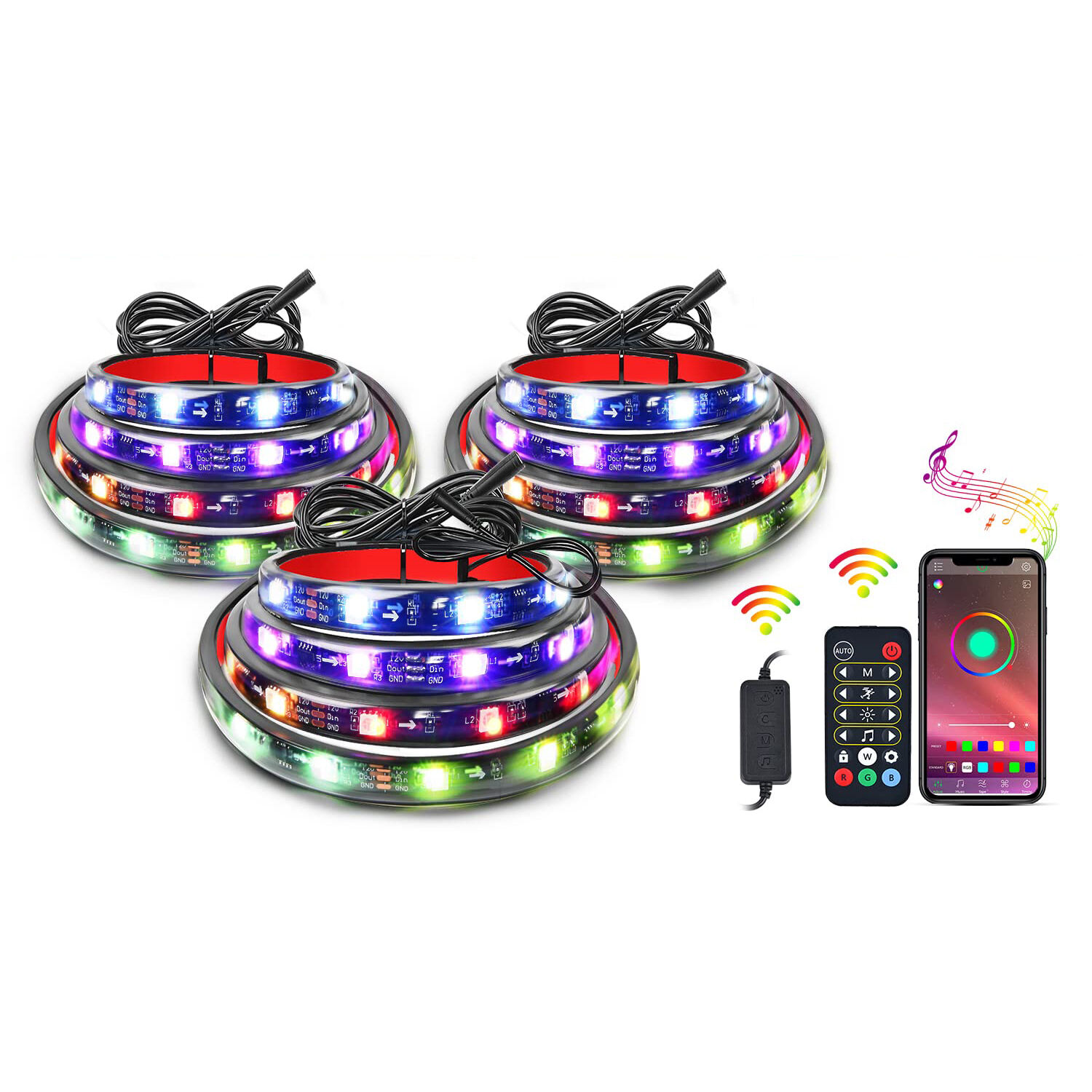
LED whip lights these days really transform how off-road vehicles look, thanks to all those color choices and pattern settings available. They do more than just make cars visible at night though they let owners show off their style too, so trucks and SUVs literally pop wherever they go whether it's on dusty trails or parking lots after dark. People love being able to tweak their lights according to what mood they're in or what event they're heading to. Most folks who install these systems say they get a kick out of changing things up for different weekends. And now there are apps that connect right to the lights, letting drivers play around with colors while driving or even match them to whatever song is playing through the car stereo. This kind of interactive feature explains why so many people grab these LED setups when planning parties or going to festivals where standing out matters a lot.
Enhanced Durability and Weather Resistance
What really sells people on modern LED whip lights is how tough they are against all kinds of weather. These lights can take a beating in rough conditions thanks to their water and UV resistant properties, usually meeting those IP67 standards that matter so much in the field. From what we've seen in actual tests, LED whip lights just plain hold up better than old school lighting when things get nasty outside. That's why serious off-roaders and workers who deal with tough environments keep coming back to them. The build quality is seriously good too – we're talking about lights made to last through rain, dust storms, whatever Mother Nature throws at them. And this durability means less frequent replacements down the road, which makes sense both practically and economically for folks who spend a lot of time off the beaten path.
Top Products in LED Whip Lighting
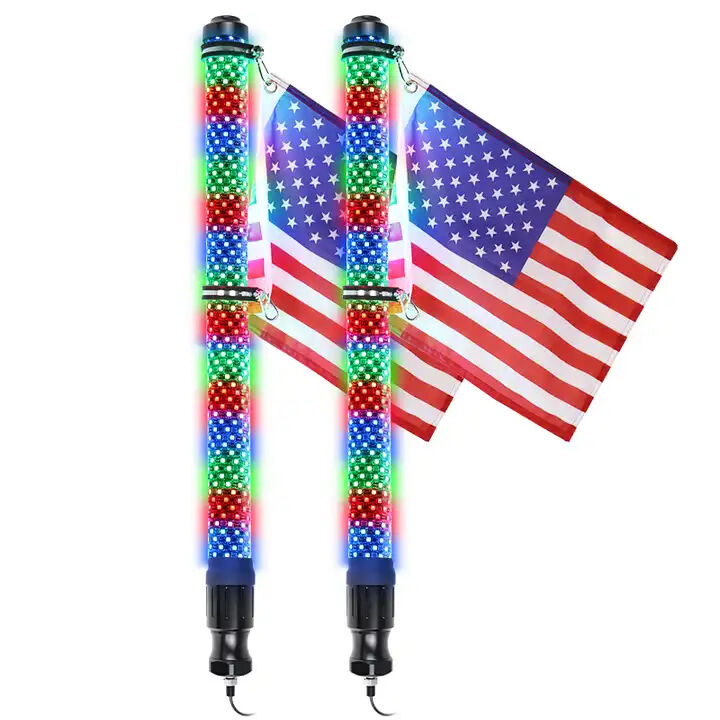
0.8inch App & RF Wireless Remote LED Whip Lights
The 0.8 inch LED whip lights represent how far off road gear has come in recent years. What sets them apart? Simple controls through either a phone app or RF remote so folks can adjust settings without fumbling around in the dark. These lights really shine when it comes to visibility too. With literally hundreds of color combinations and blinking patterns available, nobody gets lost on those late night trails anymore. Most importantly though, they're built tough enough to handle whatever rough terrain throws at them. People who've used these report that they just work day after day without issues, plus the brightness level beats most competitors hands down. No wonder so many serious off roaders keep coming back for more.
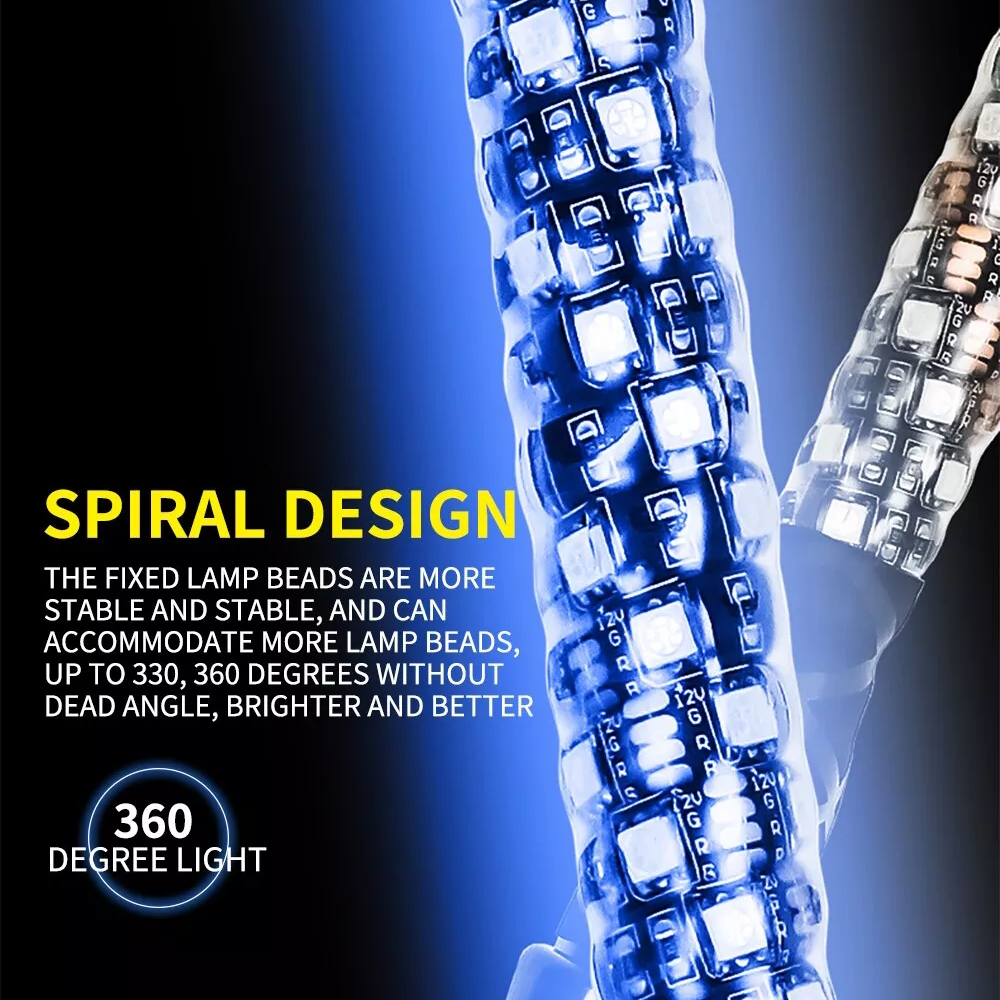
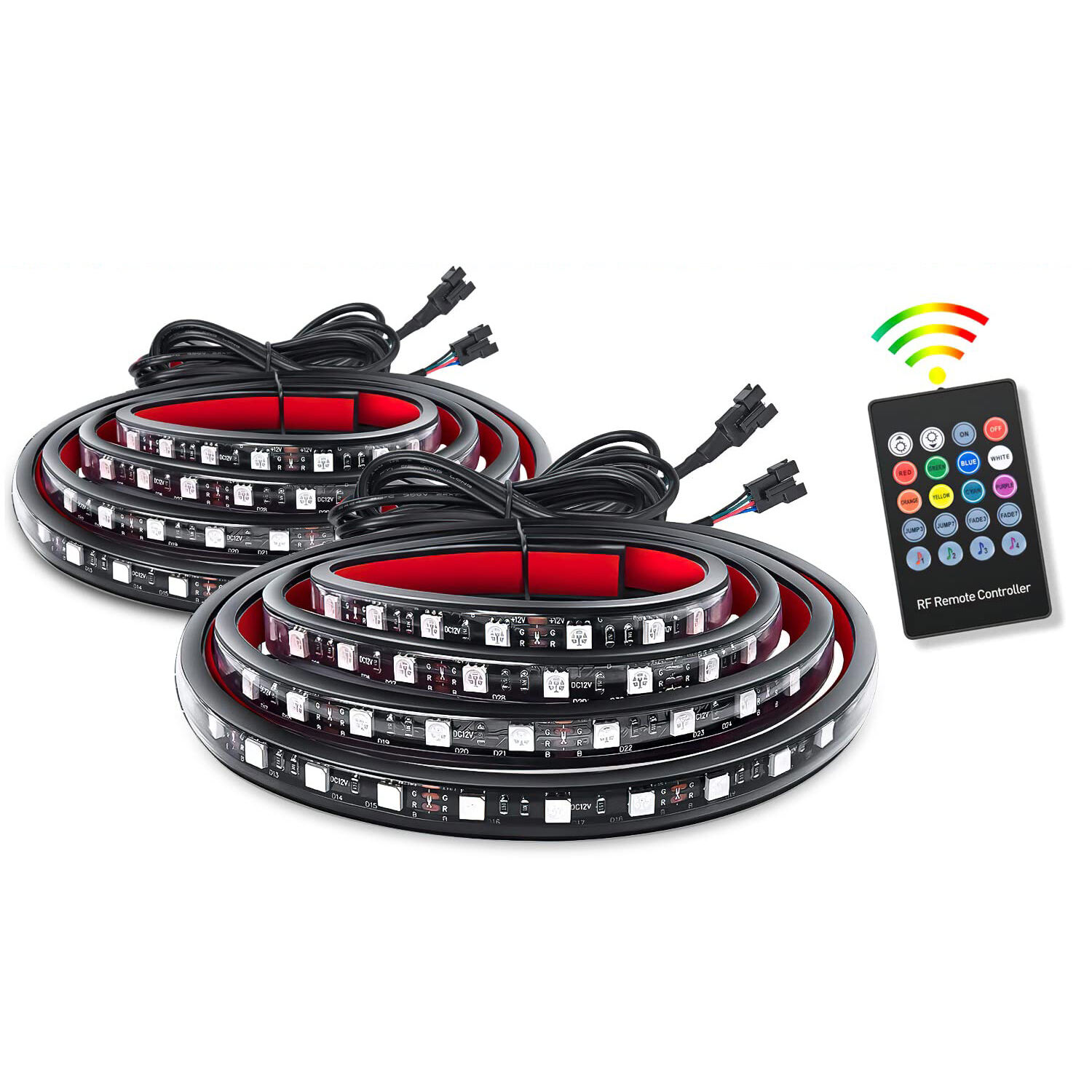
2.2inch Hyper Fat App & RF Wireless Remote LED Whip Light
At 2.2 inches thick, the Hyper Fat LED whip lights pack quite a punch when it comes to off-road adventures where standard lighting just won't cut it. Built tougher than most competitors on the market, these bad boys shine brighter too thanks to their reinforced construction. What makes them really special though? They still come with all the wireless controls folks have come to love - operate everything right from your phone or grab the RF remote and make adjustments on the fly. People who've actually used these things in real world situations rave about how well they perform, particularly during those late night drives through muddy trails or rocky paths where visibility matters most. Off-roaders and weekend warriors both swear by them because they just keep working no matter what terrain throws at them.
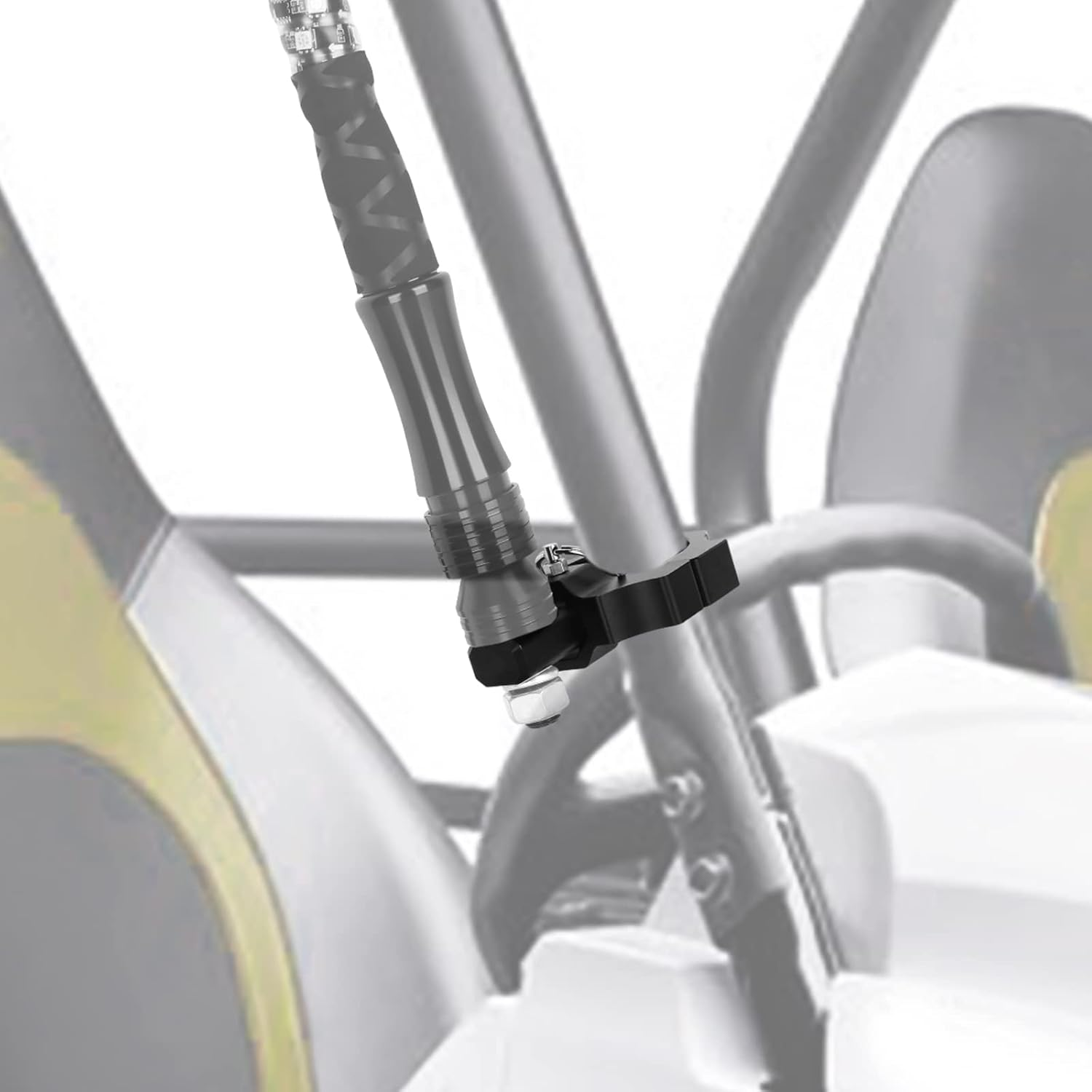
UTV Whip Light Flag Mount for Roll Bar Bracket
The UTV Whip Light Flag Mount is basically what people need if they want their LED whip lights to stay put while bouncing around on rough terrain. Works great across different kinds of vehicles too since it fits roll bars between about 1.75 and 2 inches thick. That means most off road rigs should be covered. Real users have been saying how dependable these mounts are and that installing them takes no time at all. Makes sense why so many folks grab one when setting up their lights for serious dirt work where vibrations can really mess things up otherwise.
Benefits of LED Whip Lights for Off-Road Vehicles
LED whip lights have become pretty important safety gear for those off-road vehicles that venture out after dark. These lights really boost visibility when driving along those tricky night trails where regular headlights just don't cut it. Better visibility means safer driving conditions all around, which naturally lowers the chances of collisions happening. Some studies show that when people started using these efficient LED lighting systems instead of older tech, there was actually a noticeable drop in nighttime accidents. The improved road illumination makes a big difference, especially during those late night adventures when visibility is at its worst.
One big plus of LED whip lights is how efficient they are with energy. These lights manage to shine brighter while using far less power compared to older lighting options. For those off-road rigs that run on batteries, this matters a lot since every bit of power counts. Studies show LED headlights eat up around 75% less electricity than regular bulbs but still give much better visibility on the road. The result? Longer runtime before needing to recharge, so vehicles stay operational longer when stuck out there where charging stations aren't exactly plentiful.
Installation and Maintenance Tips
Step-by-Step Installation Guide
Installing LED whip lights on your vehicle can be a straightforward process when you have the right tools and follow a clear procedure. Hereâs a simplified guide to help you set up efficiently:
1. Gather Necessary Tools: Ensure you have a wrench, screwdrivers, and an LED-compatible power drill.
2. Check Compatibility: Before starting, confirm the whip lights are compatible with your vehicle model to avoid performance issues.
3. Mounting the Lights: Secure the mounts on a stable part of your vehicle, usually the rear bumper or roof rack.
4. Wiring Connection: Follow the manufacturer's wiring diagram, connecting the LED whip lights to the vehicle's power source.
5. Test the Installation: After wiring, test the lights to ensure they function properly before securing all connections.
By checking compatibility and using the correct tools, you can minimize future issues and ensure a successful installation.
Maintaining Your LED Whip Lights for Optimal Performance
To maintain the optimal performance of your LED whip lights, regular cleaning and inspections are essential. This not only extends their lifespan but also ensures the brightness remains consistent. Here's how you can achieve this:
- Regular Cleaning: Wipe the lights with a damp cloth to remove dust and debris, which can impede brightness.
- Inspection Schedule: Perform visual inspections monthly to identify any wear or damage early.
- Proper Storage: During the off-season, remove the lights and store them in a cool, dry place to prevent weather-related damage.
These steps will ensure that your LED whip lights operate efficiently and remain in good condition over time. Regular upkeep not only preserves brightness but also maximizes the lifespan of the lights, enhancing your off-road experiences.